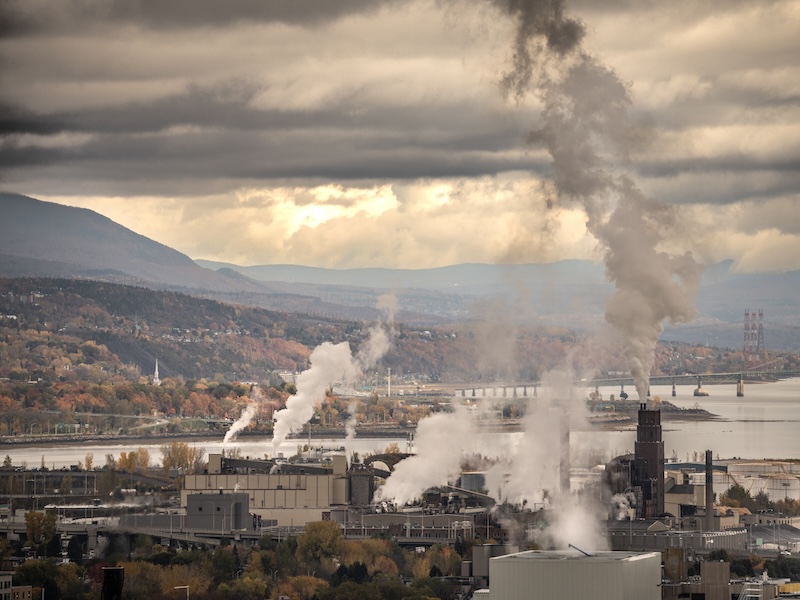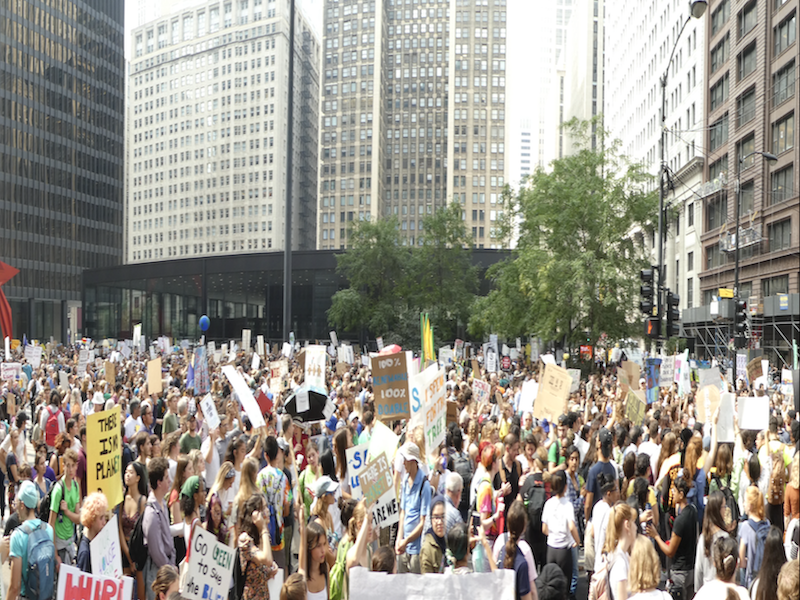
In October 2025, Bill Gates released a memo titled, “Three Tough Truths About Climate” with a sharply different tone. Gates, long a champion of climate action, now argued that climate change, while serious, “will not lead to humanity’s demise”. He urged world leaders to focus on human welfare, resilience and development instead of rigid temperature Read More…
4. Programs
placeholder for programs
The Economicization of Climate Change: Federal Budget 2025
On November 4, 2025, Canadians witnessed a redirection in federal policy efforts with the release of Budget 2025: Canada Strong, signaling a shift toward economic growth, national resilience, and long-term global stability. While the budget aims to strengthen economic sovereignty, the subject of climate change and the health of the environment must be considered, since Read More…
Climate Change is Breaking Northern Supply Chains- Rail Can Fix Them
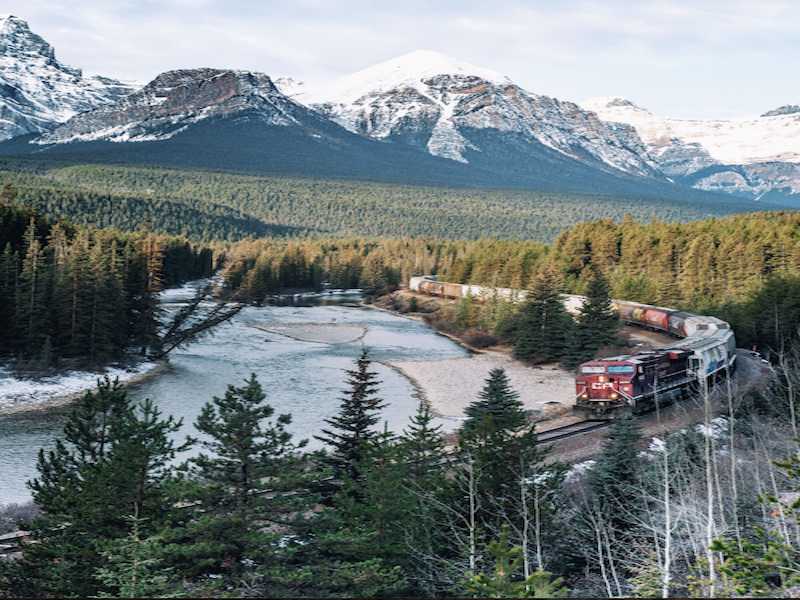
In the northern regions of Canada, climate change is not a distant threat. It is disconnecting the roads that Canadians depend on to survive. Ice crossings that once carried trucks providing goods to these remote communities are now thinning or failing to freeze at all. For many northern and Indigenous areas, the loss of these Read More…
Nova Scotia’s Fire Service in Crisis: Lessons Learned from Scotland
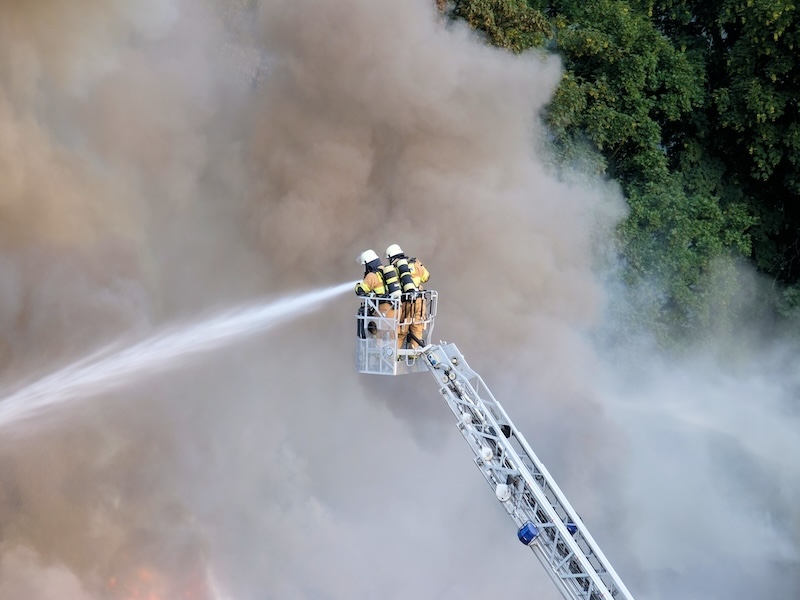
When someone calls 911, every second matters. But, behind each emergency response lies an unseen network of decisions, standards and coordination that determines whether help arrives quickly. Nova Scotia’s fire service is now facing a crisis that shows us what happens when that network becomes too fragmented to function. The breaking point came when a Read More…
Arctic Sovereignty and Geopolitical Competition
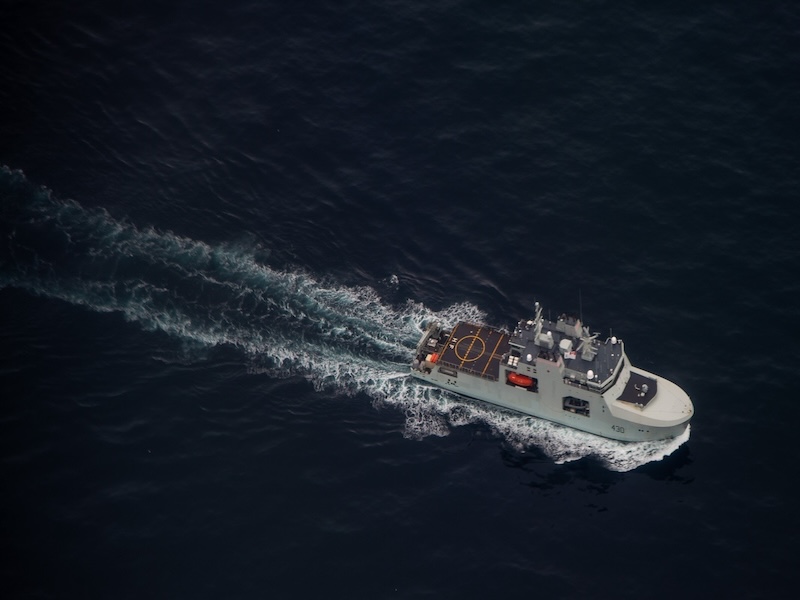
As the Arctic transforms from a frozen frontier into a contested geopolitical arena, questions of sovereignty, environmental responsibility, and security have converged into one of the most pressing challenges in the 21st century. Once referred to as a remote, ice-covered expanse, the region is now a stage where the impacts of climate change intersect with Read More…
Do we care less about climate change? Fighting to ‘save the world’ in the age of crisis overload
How are environmental issues currently being framed by policymakers and what does this say about shifting public and political priorities in an age of crisis overload? Climate action has previously dominated global headlines, and sparked major concern across the world. However, with competing global crises, it is clear that leaders must frame environmental policies in Read More…
AI Data Centers: Is Canada Next?
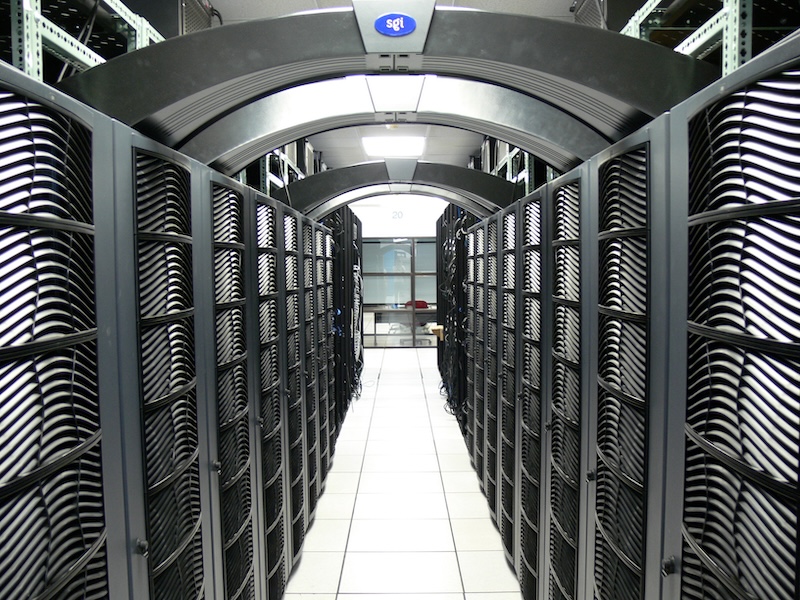
From rare earth mineral extraction to immense water usage, to an unlimited supply of electricity, to the soaring demands of data centers and AI infrastructure, humanity’s technological progress is entangled with environmental strain and resource insecurity. In the United States alone, over 5,000 ‘power-hungry’ data centers have used 4% of the country’s total electricity in Read More…
Money Talks: Assessing the Impact of the New CAF Compensation Bundle on Retention
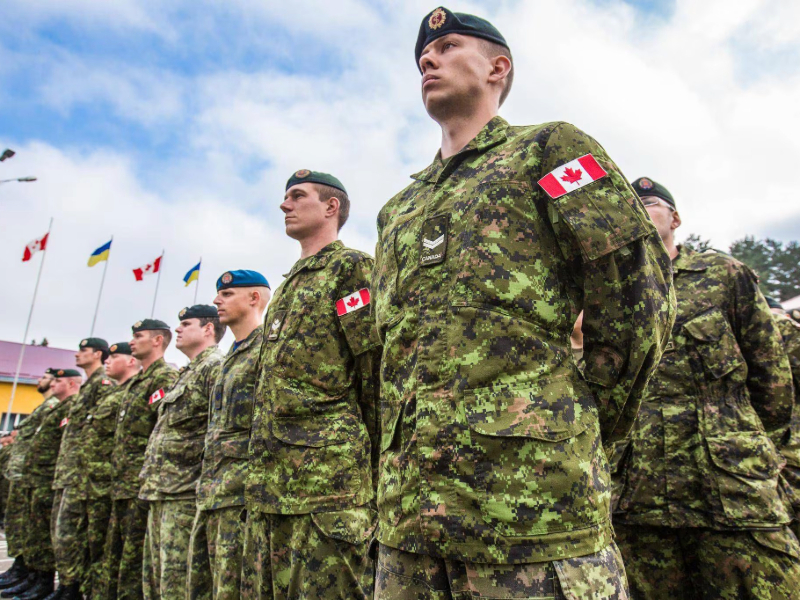
NOAC JRF Nicholas Thein analyzes the Canadian Armed Forces’ recent pay increases, their effect on retention, and the implications for the CAF’s long-term stability amid ongoing structural challenges.
Rearming the Depths: How Canada Is Reclaiming Undersea Sovereignty
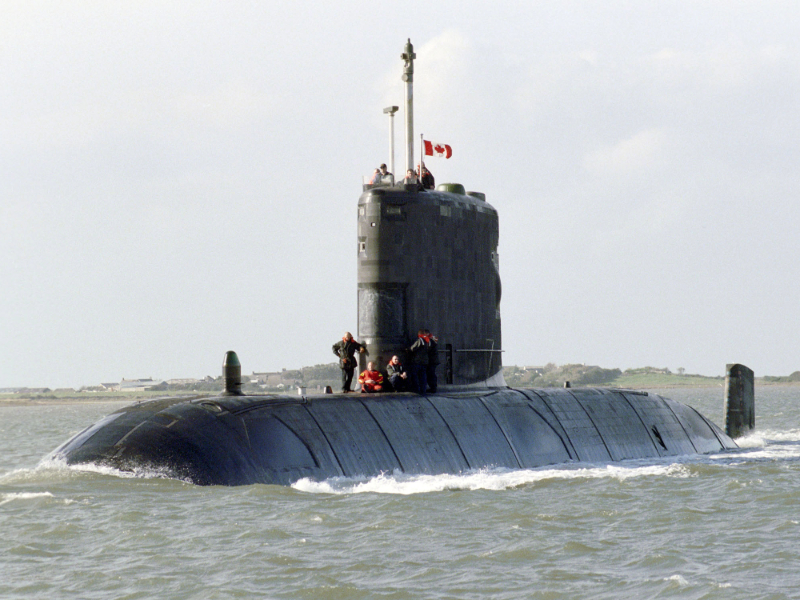
Canada’s $60B+ Canadian Patrol Submarine Project marks a turning point in Arctic defence and strategic autonomy. This piece coauthored by Emma Zhang and Sanam Singh examines whether the procurement can restore under-ice capability and deliver long-term industrial and geopolitical returns.
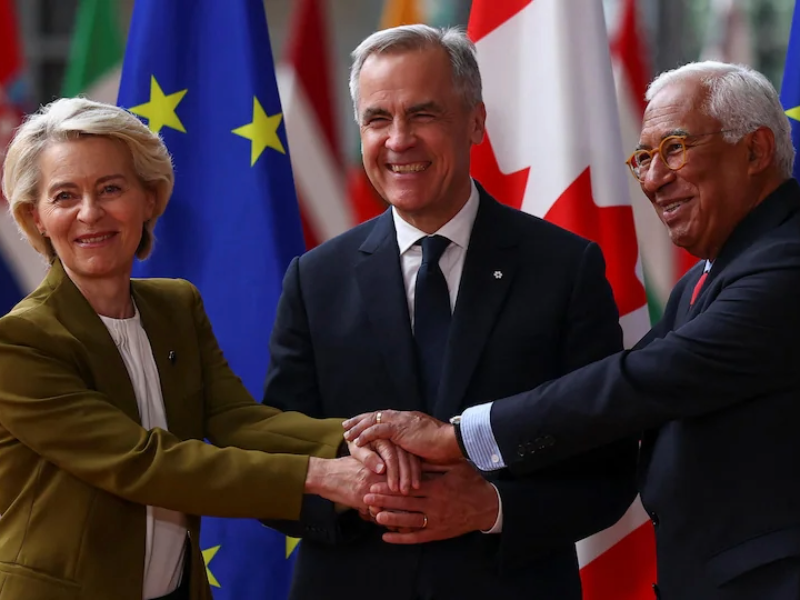
A SAFEr Bet for Canada? How the €150-Billion SAFE Program Is Pulling Ottawa Closer to Europe
By joining the EU’s €150-billion SAFE program, Canada is positioning itself closer to Europe’s defence-industrial strategy and recalibrating its long-standing reliance on the United States. In this piece, Sanam Singh examines what this shift means for Canada’s alliances, procurement choices, and long-term strategic autonomy.