The NATO Association of Canada’s Energy Security Program, directed by Senior Research Fellow Dr. Robert M. Cutler, provides analysis and outreach on the full spectrum of energy-security concerns facing NATO members and partners. Core areas include the security of supply and demand, market and policy reliability, and the physical protection of critical energy infrastructure including supply chains for critical raw materials. The Program continuously assesses geopolitical, geo-economic, and military developments that may alter allied energy risks, options, and resilience. It advances public understanding and policy dialogue through webinars, the Energy Security blog, and sequenced series of Research Briefs, Policy Papers, and Research Studies. Contributors—including practitioners, scholars, and emerging analysts—are welcome. Please write to rmc@alum.mit.edu with the subject line “NAOC Energy Security Program” to propose articles, briefs, or events.
Momentum accelerated over the past month pointing towards the implementation, sooner rather than later, of the Trans-Caspian Gas Pipeline (TCGP). Already last summer the signature of the Convention on the Legal Status of the Caspian Sea established that neither Russia nor Iran would be able to block the construction of the pipeline. This even confirms Read More…
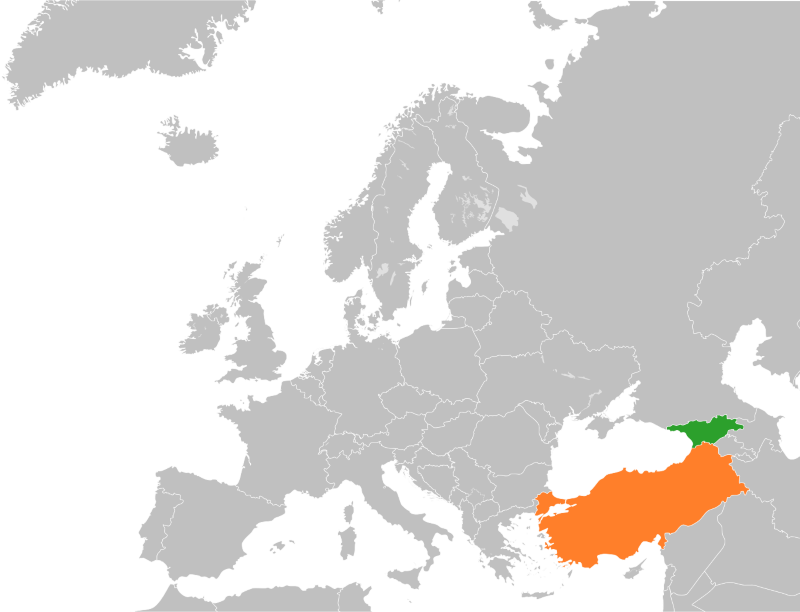
This article focuses on defence and security issues on the one hand and, on the other hand, on the related questions of the economy, trade and energy. These are two of the four issue-areas that the U.S.–Georgia Charter on Strategic Partnership, established in 2009, identified as priority areas of the bilateral cooperation. The others are democracy and cultural exchanges.
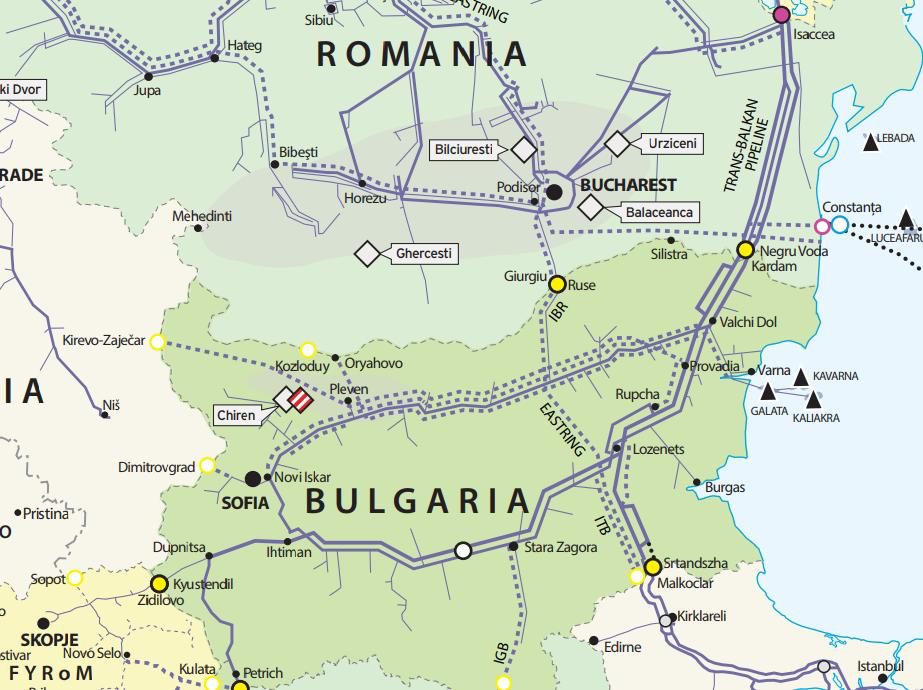
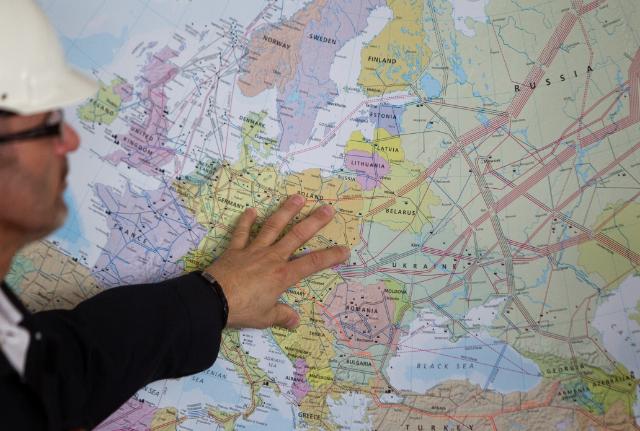
Within the upcoming year the configuration of gas supplies in Eastern Europe is expected to change dramatically as Russian flows will be diverted via the TurkStream corridor and new sources of supply from the Caspian Sea or imported as liquefied natural gas (LNG) will be vying for regional markets.
Looking into the fundamentals of the EU’s energy security strategy, a steadfast resoluteness is evident on the promotion of gas-on-gas competition, supported by benchmark hubs, although the costly field development outside of the Union has always been combined with the guarantee of long-term contracts.
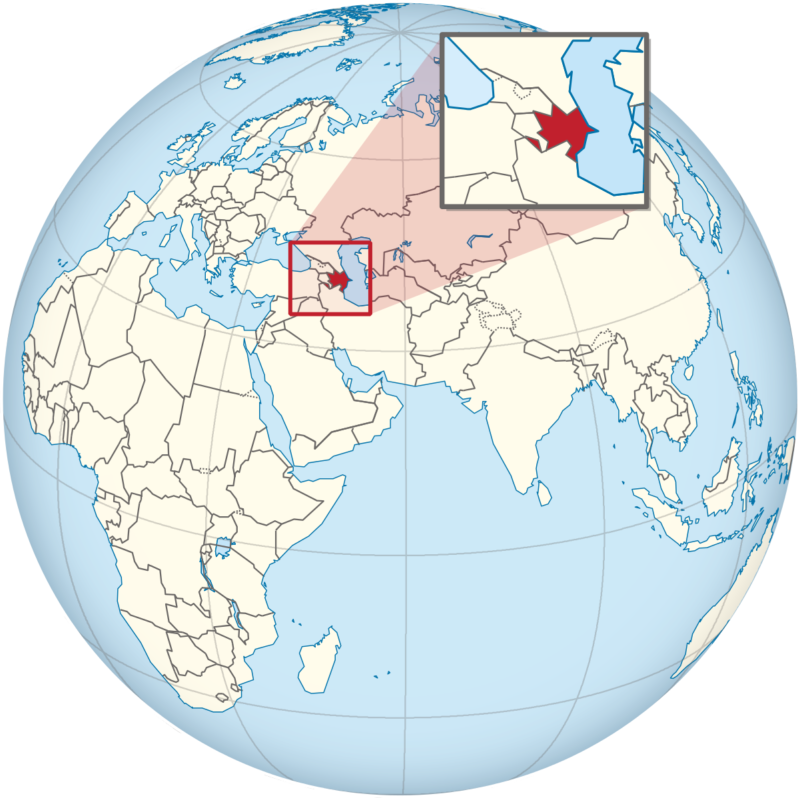
Diplomatic momentum is gaining on all fronts in favor of the Trans-Caspian Gas Pipeline (TCGP) between Turkmenistan and Azerbaijan. Both Russian and American diplomats tacitly agree that this is a positive development. Thus last week the new U.S. Ambassador to Georgia (and former Ambassador to Azerbaijan) Ross Wilson publicly stated that “transport projects implemented jointly Read More…
European energy security, especially the diversification of sources of supply of natural gas, increasingly depends on the South Caucasus countries of Georgia and Azerbaijan. Russia is building the NordStream Two and TurkStream pipelines in order to secure European Union (EU) dependence on Russian gas for decades to come. Because of its unique geographical situation, Georgia Read More…
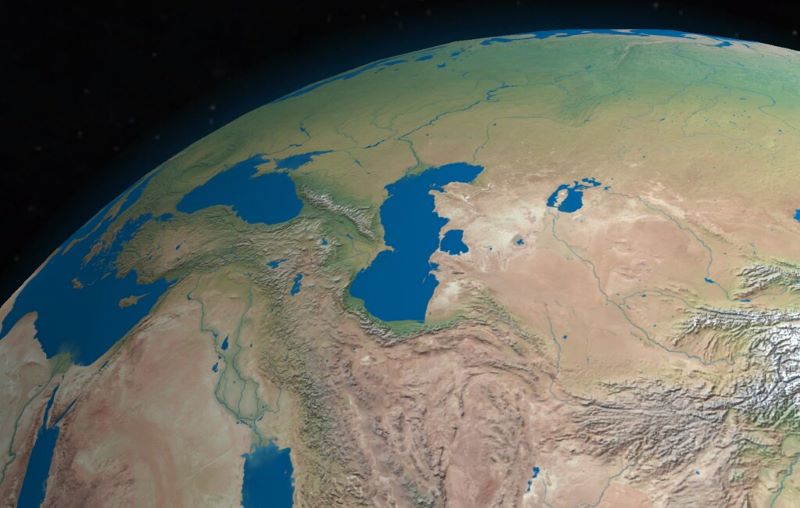
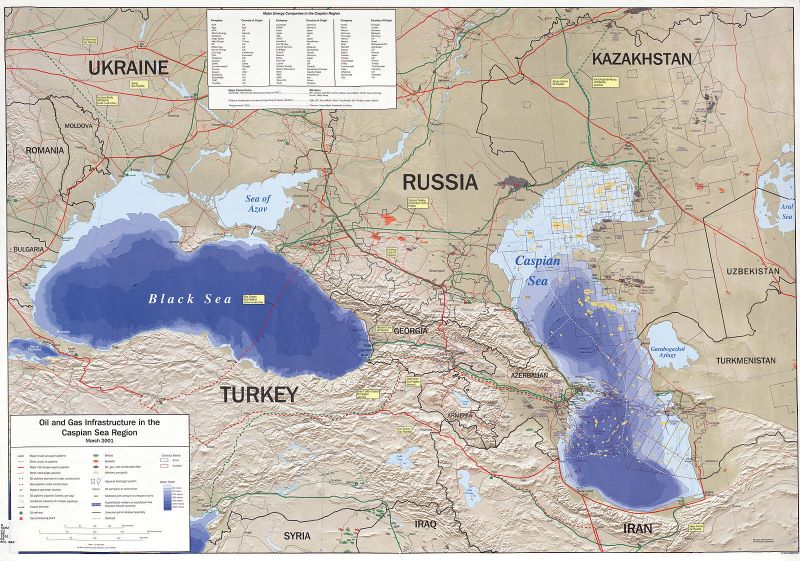
This article is an end-of-year review looking at the EU’s and Turkey’s position in three potential maritime conflict situations: first, the Caspian Sea basin; and then the Black Sea and East Mediterranean basins together. The most significant development in Caspian Sea energy in 2018 was the signature of the Convention on the Status of the Read More…
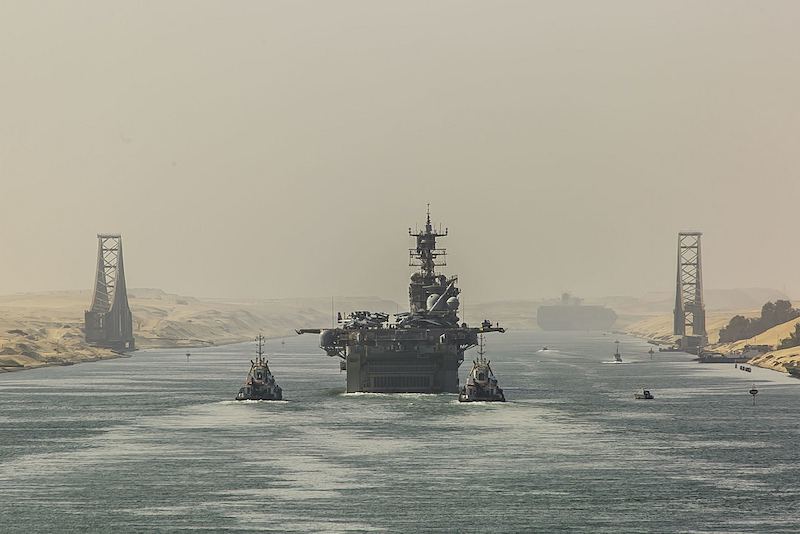
The Arab Spring threw a wrench into Egypt’s promising liquified natural gas (LNG) industry. Now, with stability returned to that country and the discovery of new gas deposits in the Nile littoral, Egypt is poised to become a major source of energy to the E.U. market. As auspicious as this sounds, it raises the stakes in an already volatile region marked by militarization and beset by inter-state strife and transcontinental tension.
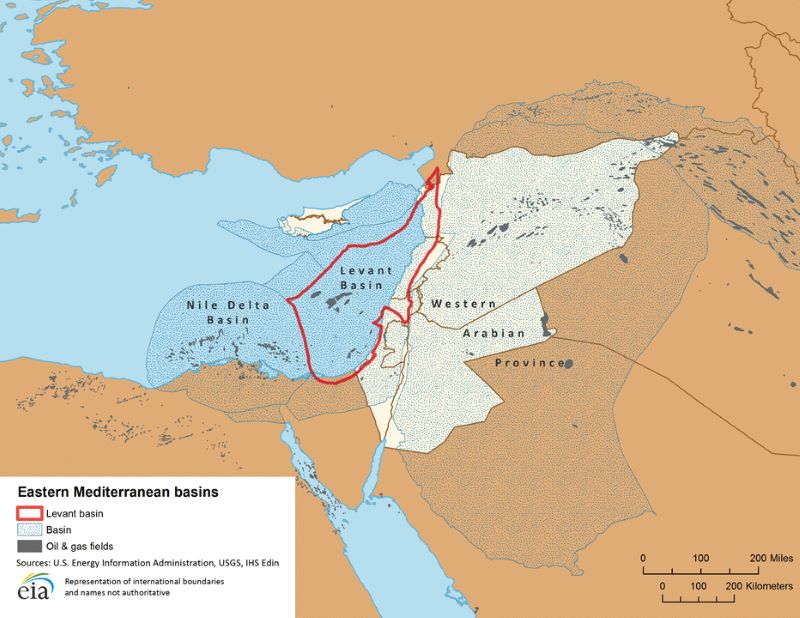
Attempts to commercialize the East Mediterranean natural gas province continue still with difficulty. The gas deposits in the Cyprus offshore continue to be at the centre of attention, while those of Israel and Egypt are set in relation to those. The issue that preoccupies observers is how to market the gas from Cyprus in Europe. Read More…
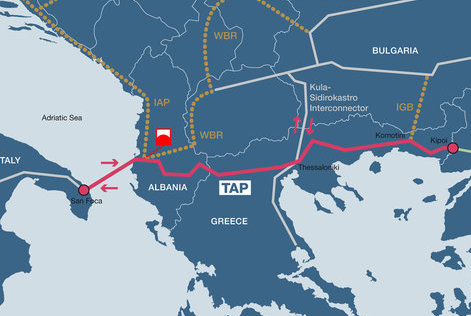
Following the August signing of the Convention on the legal status of the Caspian Sea, the Southern Gas Corridor (SGC), a large-scale gas pipeline project that aspires to connect the region’s copious hydrocarbon resources to the European markets, has been drawn back into international debate. The present article illuminates how the SGC enhances the Read More…