Refugees often, and understandably, lack the legal documents needed to grant them legal personhood. Biometrics offers a way to change that, and reconnect refugees to vital services while clamping down on aid fraud.

The NAOC’s Cyber Security and Emerging Threats Program features an in-depth analysis of latest trends, developments, and threats in international security. New security concerns are always on the horizon and our program seeks to examine these domains including global warming, natural resources, drones, urban conflicts, and cyberspace.
The program’s mandate is to keep Canadians informed on these rapidly developing and increasingly pivotal realms that are integral to all aspects of security.
Refugees often, and understandably, lack the legal documents needed to grant them legal personhood. Biometrics offers a way to change that, and reconnect refugees to vital services while clamping down on aid fraud.
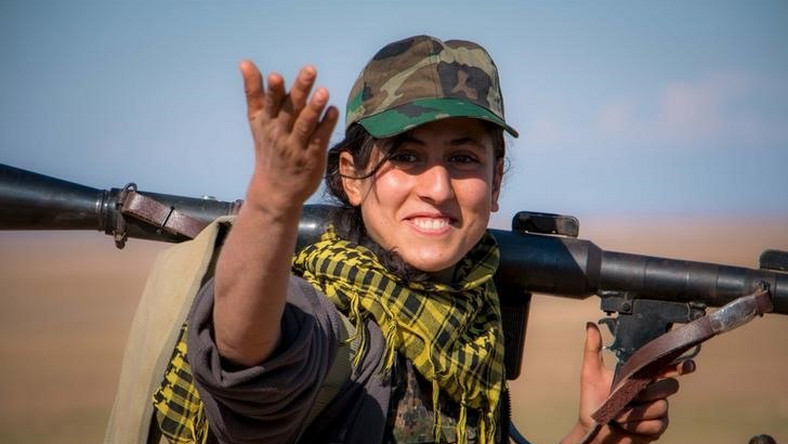
The stories about returning ISIS fighters and what should be done.
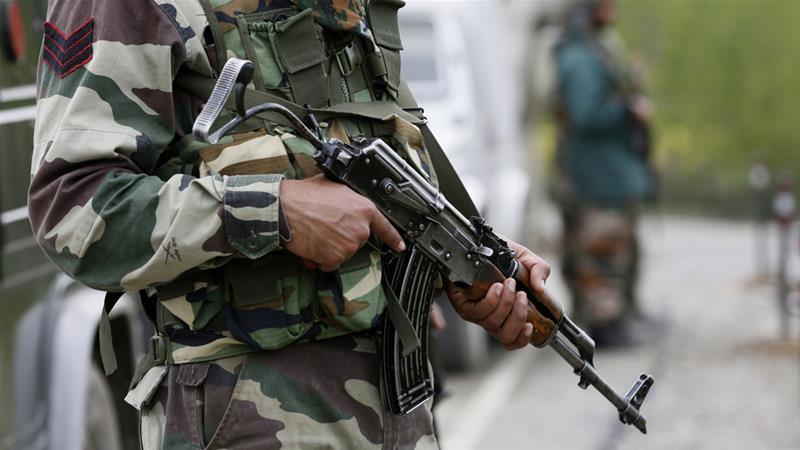
On February 14th, a suicide bomber affiliated with the militant organization Jaish-e-Mohammed killed more than 40 Indian paramilitary personnel in the Pulwama district of Indian-administered Kashmir. Accusing Pakistan of facilitating the attack, India launched an airstrike on Tuesday, marking the first time that warplanes have crossed the de facto border between the two countries in Read More…
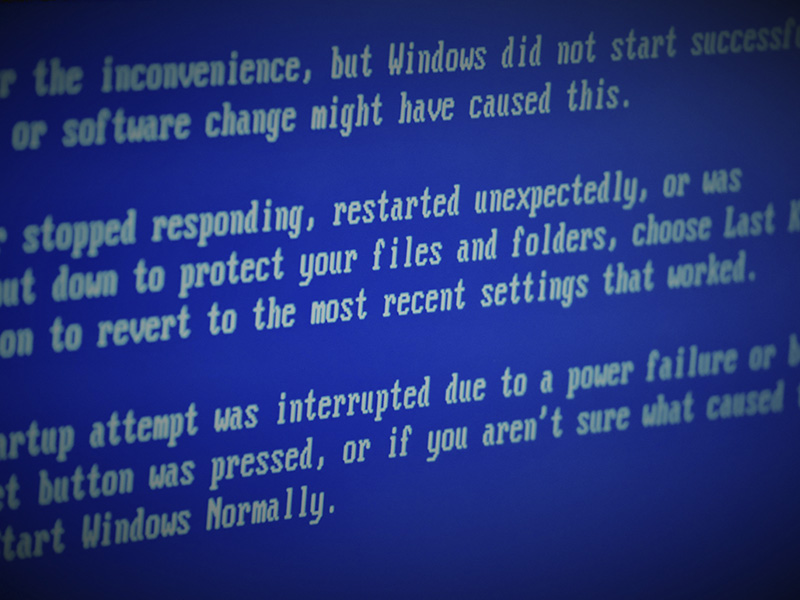
Governments stockpile cyberweapons for future use against adversaries, but doing so has a tendency to make their own citizens less safe. How does this work, and how can cyberweapons be better regulated to reduce collateral damage?
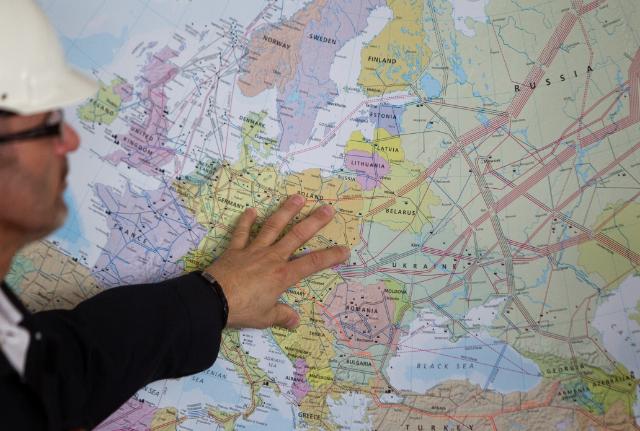
Looking into the fundamentals of the EU’s energy security strategy, a steadfast resoluteness is evident on the promotion of gas-on-gas competition, supported by benchmark hubs, although the costly field development outside of the Union has always been combined with the guarantee of long-term contracts.

Exploits are code that gives hackers or malware undue powers within a computer system. The past decade saw a spectacular rise and fall in the market for these digital weapons, temporarily stoking fears about what supply chains might look like in cyberwar.

Human traffickers operate by erasing the identities of their victims, making them easier to transport and harder to locate and save. Biometrics, by giving each person a fixed and immutable identity, presents an opportunity to put a serious dent in global trafficking networks.
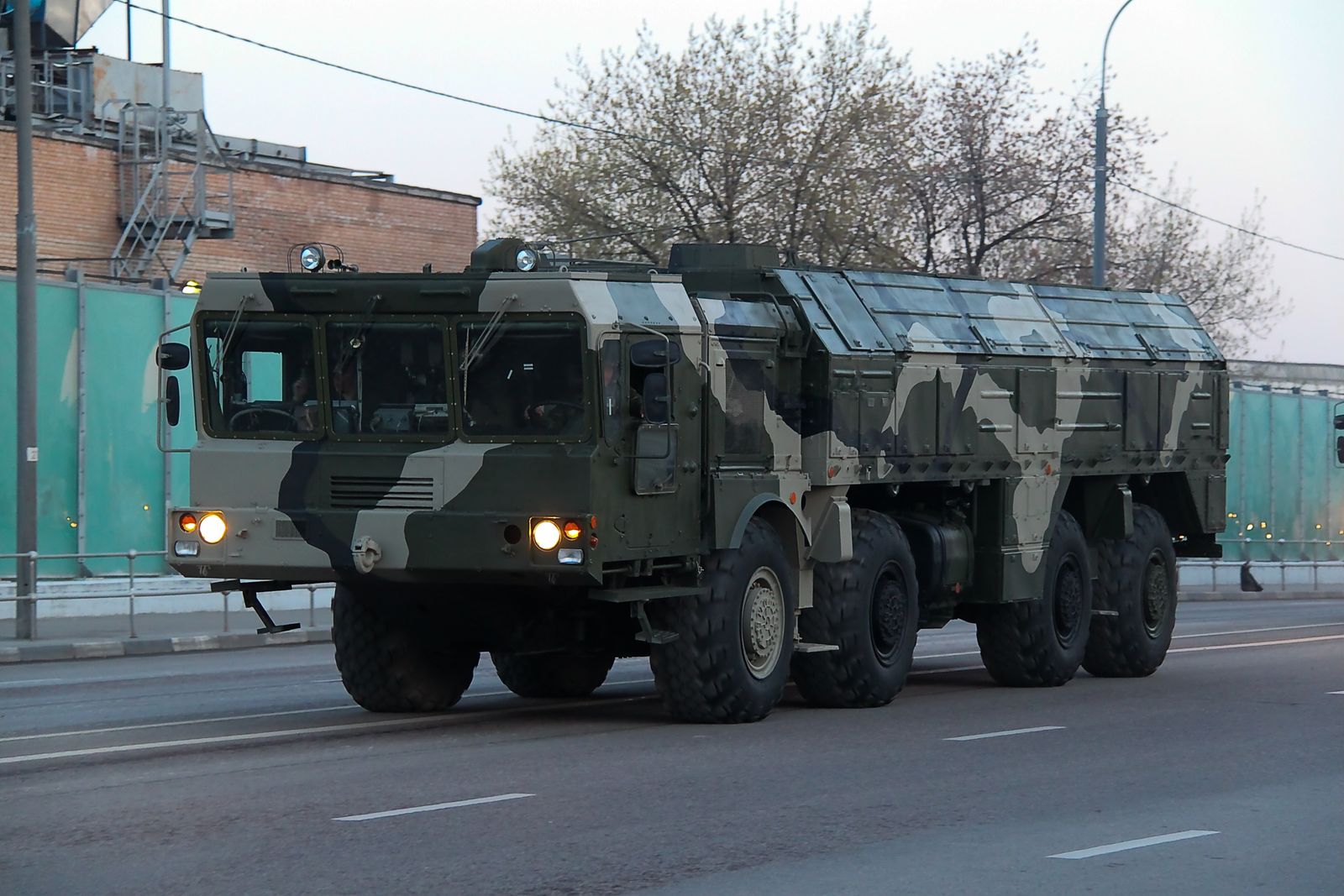
Whither the INF Treaty? The Trump administration has announced that America will withdraw from the treaty. NATO endorses Washington’s finding that Russia is non-compliant. Major dilemmas await Washington and Europe in a post-INF Treaty world.
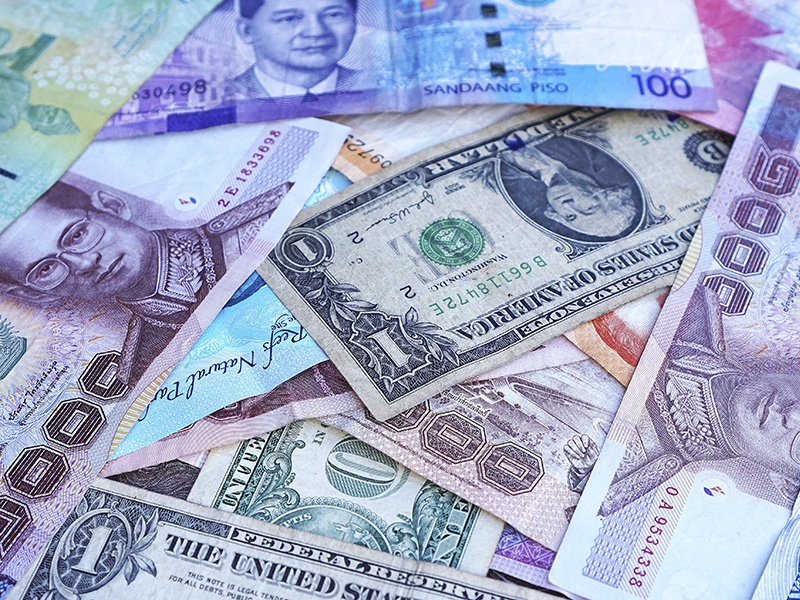
After a disastrous 2009 currency reform program, North Korean black market traders started storing their wealth in US dollars before shifting towards the Chinese yuan. What does this mean for North Korea and for the world more generally?

“Justin Dell takes an in-depth look at this indispensable companion for the student of transatlantic security.”