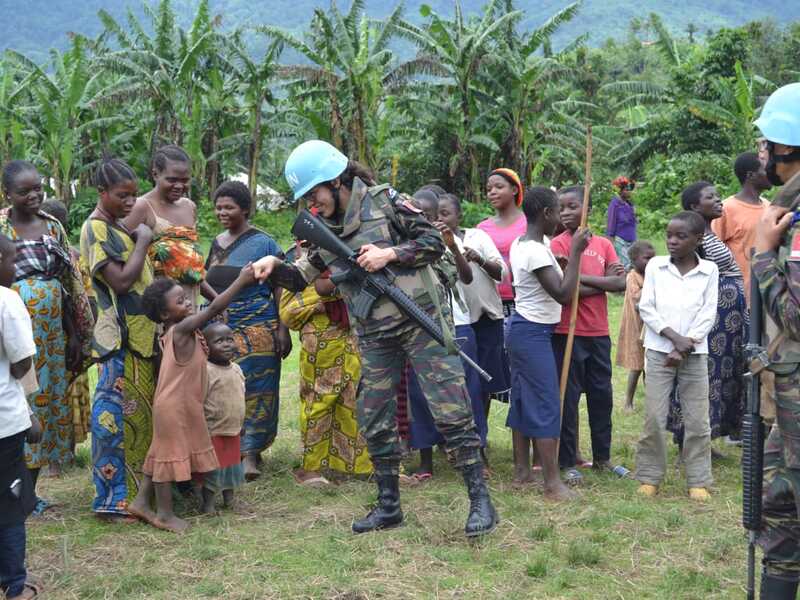
Overlapping structural barriers, including economic inequality, racism, and social inequalities, work to limit women’s agency, reinforcing problematic assumptions around gender and reasons for women’s inclusion. Contextual considerations to peacekeeping operations (eg. geography, history, culture) as well as overlapping factors that affect women’s experiences should be accounted for when determining responsibilities/mandates. Missions could benefit from incorporating an intersectional perspective, beyond just the gendered dimension; race, class, sexuality, and other social identities have organizational, institutional, and field-level effects in the conflict resolution process.
Author: Isabelle Zhu
Shifting Priorities in Ukraine: Is NATO’s WPS Agenda Under Threat?
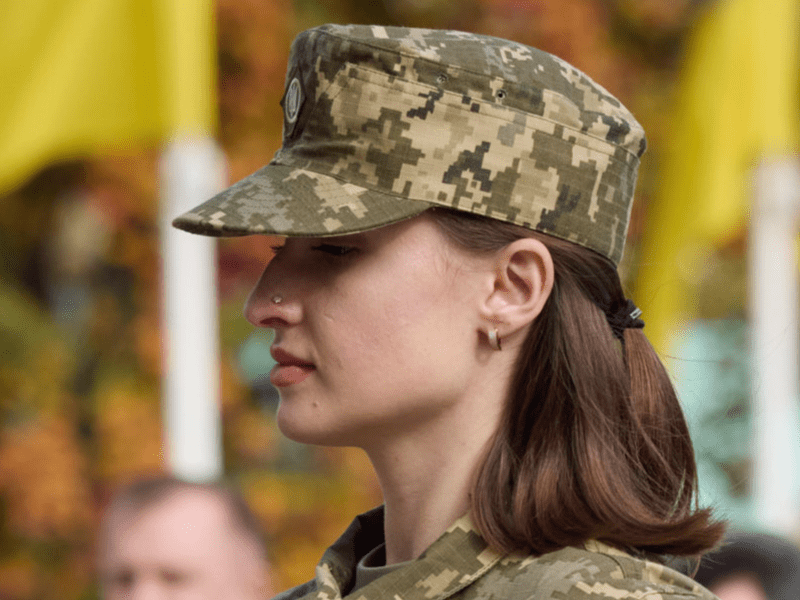
WPS policies are often disregarded when matters deemed of higher priority emerge, despite NATO’s high engagement of WPS values through public diplomacy, military, and political means. Russia’s invasion of Ukraine has posed the biggest security crisis to NATO in decades, and considering the gendered dimensions of the war, which has seen high rates of sexual and gender
based violence, NATO’s limited WPS response leaves the future of the Agenda in question. As a core tenet of NATO’s values, WPS must not be disregarded; member states that have adopted FFPs, such as Canada, should continue to drive the WPS agenda forward. This article makes key recommendations, including shifting to a human rights-based approach (HRBA) and employing more intentional language in operational directives, to support Ukraine’s current WPS policies.