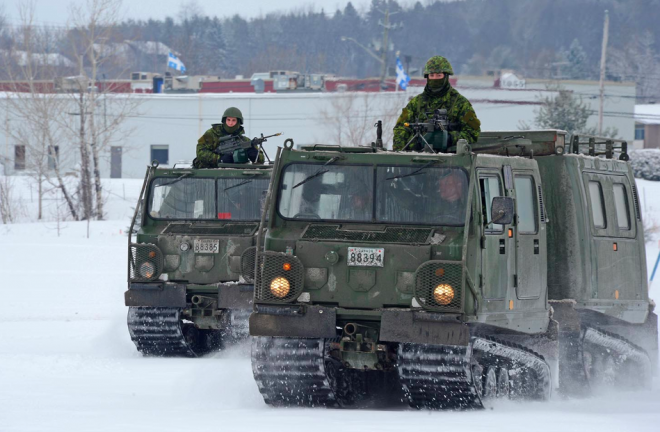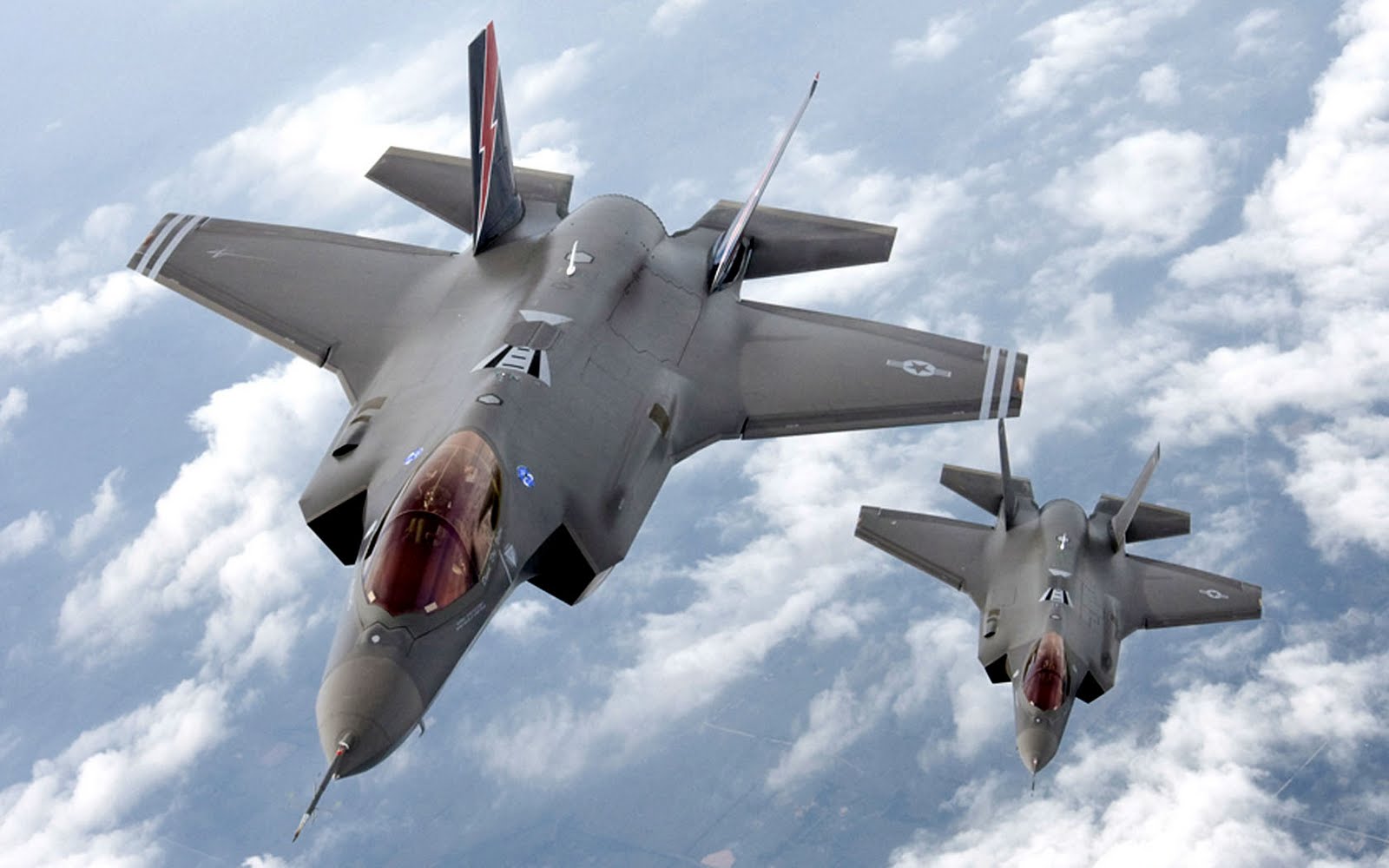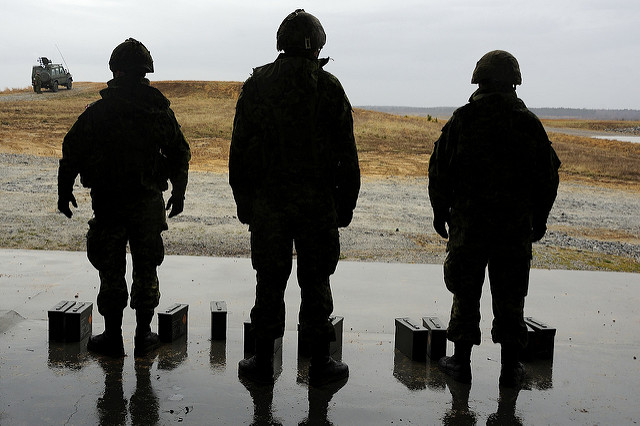
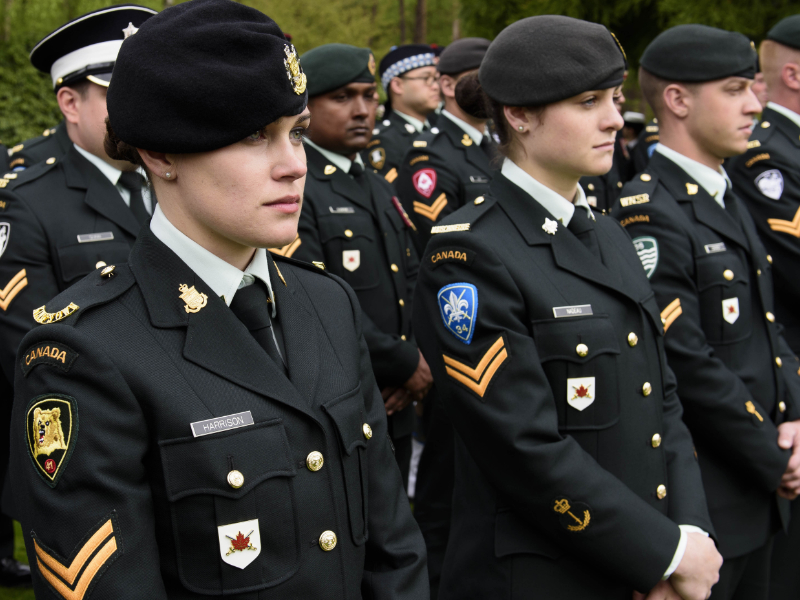
In October of 2025, Lieutenant-General Michael Wright released ‘Inflection Point 2025’, outlining the Canadian Army’s modernization plans. The most notable of these changes is the upcoming restructuring of the Canadian Army. In its new organization, the Canadian Army will consist of four divisions: The Maneuver Division, tasked with enabling Canada to deploy forces abroad, the Defence of Canada Division, charged with maintaining a force capable of defending Canadian territory, the Support Division, tasked with maintaining defence infrastructure and streamlining procurement, and the Training Formation, who will oversee training programs to provide the army the personnel it needs. The restructure represents a bold vision for the future of the Canadian army; however, its ambition also raises questions about how feasible the restructure is, given how large the mandates are for each formation. As such, it is worth investigating if the army’s proposed restructure will actually address the problems faced by the organization, and what challenges its implementation may encounter.
A Bold Vision for Canadian Defence
The Canadian Army’s stated objective for the restructure is to “increase its agility and empower its soldiers by shifting operational leadership to the divisional level”, which is the guiding philosophy for the creation of four new divisions. The Defence of Canada division will be composed mostly of soldiers from Canada’s primary reserve, tasked with conducting operations within Canada, including arctic security and responding to domestic crises. The division will also encompass integrated air and missile defence, in cooperation with the Royal Canadian Air Force. This new formation will allow the Canadian army to maintain a formation dedicated to domestic security challenges, allowing Canada’s army to quickly generate force within Canadian territory. The ability to facilitate quick sizable reactions to Canadian territorial integrity is especially relevant given the increasing geopolitical importance of the Arctic and Canada consistently highlighting Arctic security as a strategic priority.
For CAF operations abroad, the Maneuver division enables the Canadian army to deploy a combined arms division-level force by combining existing regular-force brigades with an embedded support brigade, allowing Canada to field a division internationally for the first time since 1992. The Maneuver Division will also contain a new light infantry regiment, designed for rapid deployments to the Arctic and international crises. Unlike the Defence of Canada Division, the Maneuver Division is designed to project military capability abroad, directly supporting Canada’s foreign policy and NATO commitments. Ottawa has signaled its intention to more closely integrate European and Canadian security, as recent initiatives like the SAFE procurement scheme demonstrate. The CAF can serve to further this integration through proving it is a reliable NATO ally, capable of defending its European allies. Canada already leads the multinational NATO brigade in Latvia, demonstrating a commitment to the Alliance. A deployable and operationally independent division has the potential to strengthen Canada’s credibility within NATO, reinforcing its significance for European security.
Shifting to sustainment, the Support would combine existing regional support formations under a centralized command. The objective of this division is to ensure that base and institutional support is maintained across the country, bringing army supply formations closer to the national supply chain. This formation forms a crucial complement to the other divisions, as the CAF has routinely witnessed supply shortages undermine operational effectiveness. Finally, the Training Formation will consolidate training formations across Canada in order to administer training establishments across the army, as well as run Primary Reserve battle schools. This formation will allow the army to address a significant bottleneck in its training system, as Canada loses thousands of applicants annually due to lengthy and complicated recruitment systems. Additionally, Canada currently lacks the resources to train large numbers of soldiers, even if they are successfully recruited. By pooling training resources nationally and streamlining the army’s ability to conduct training, these burdens may finally be addressed and open the door for the CAF to significantly increase recruitment.
Anticipating Challenges
While there is cause for optimism regarding the army’s restructure, a number of challenges are likely to emerge during its implementation. Addressing these challenges will determine the success of its implementation. One immediate challenge likely to emerge is the need for specialized training. If the government intends to use the Defence of Canada division for Arctic security, it will need to invest in training across primary reserve units to prepare them for Arctic operations. While coordinating this training can likely be conducted through the Training Formation, it also requires reservists to take time away from their civilian jobs in order to participate. The federal government must be prepared to cooperate with provincial authorities on behalf of primary reservists to ensure resources and protections are made available for reservists to complete training. Similarly, the reintroduction of division-level operations for the Maneuver division will also require specialized training. Canada last trained at a division level in 1992, meaning that the institutional knowledge for these operations has likely waned. As a result, the training formation will need to develop a method, or lean on the experience of allies such as the UK and France, to reintroduce division-level operations. Training will also need to be coordinated and conducted regularly so skills and lessons can be effectively developed.
Another challenge likely to emerge is the need to clarify the mandates for the formations. Based on statements given by the army, the Defence of Canada division is tasked with the Canadian territory, including the Arctic, alongside domestic crisis response and air and missile defence support. How the division will secure these broad objectives remains publicly undisclosed at the time of writing, but will likely challenge army planners going forward. Likewise, the Maneuver division is expected to maintain a division-level fighting force and a rapidly deployable light infantry regiment capable of global crisis response. While these are necessary for Canadian national security and our NATO commitments, the complexity of these mandates requires greater public clarification on how they will be achieved. Army leadership and Ottawa should, to the extent possible, disclose how these formations will set about achieving these goals, in order to have their feasibility and practicality assessed. Lastly, while the centralization of support formations under the Support Division can aid in streamlining approvals and requests for new equipment, connecting the army to the national supply chain does not inherently fix issues related to procurement. Bureaucratic policies and decades of underinvestment have left the CAF struggling to provide basic services, such as housing and veterans support, alongside equipment, for military members. If the Support Division is to fulfil its mandate successfully, it will need to be supported by additional legislation aimed at addressing the pitfalls in Canada’s supply chain, solving them before attempting deeper integration with the army.
Conclusion
The reorganization of the Canadian army offers a bold new strategy for securing national security and meeting international commitments. Directing the army’s resources where they are needed and streamlining decision-making will help the army to respond more effectively to a dangerous and fast-changing world. However, these reforms must not occur in a vacuum. If the restructure is to succeed, the federal government must be ready to support the transition by pursuing legislative and industrial policies aimed at helping the army achieve the changes necessary.
Photo Credits: https://www.cmfmag.ca/cmf_profiles/from-home-front-to-front-lines-canadian-women-in-times-of-war/
Disclaimer: Any views or opinions expressed in articles are solely those of the author and do not necessarily represent the views of the NATO Association of Canada.