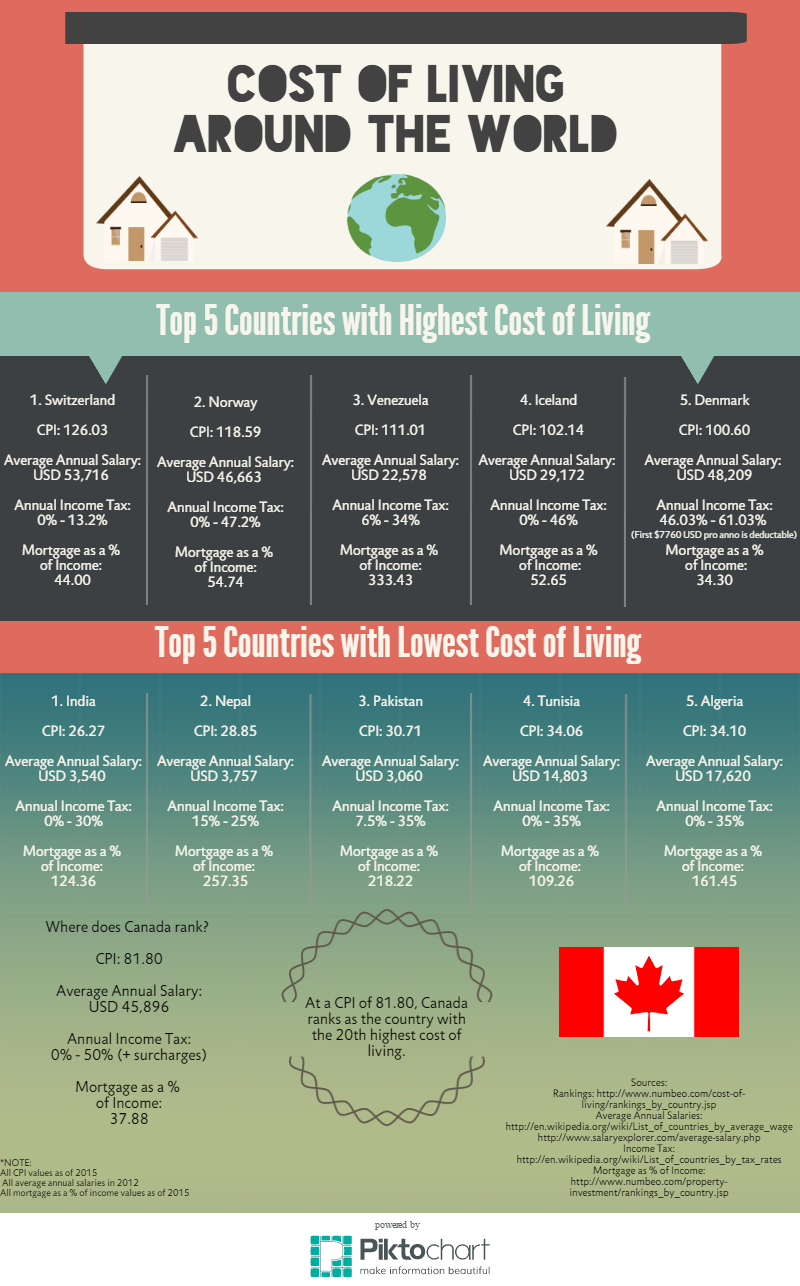
On January 3rd, 2026, the global energy landscape shifted dramatically. The U.S. military operation in Venezuela immediately transitioned into an economic mission, with the U.S. assuming control of over 30 to 50 million barrels of seized Venezuelan oil to be sold at market prices. Venezuela has the highest proven oil reserves in the world at approximately 303 billion barrels, yet decades of inefficient management and political instability have left it producing a mere 750,000 to 1 million barrels per day (BPD). The time and investment needed to restore Venezuelan oil production make it unlikely to pose a near-term challenge to Canadian producers, creating a limited strategic window in which Canada may be positioned to strengthen its role as North America’s most reliable energy supplier, if it can successfully expand infrastructure and diversify export markets while Venezuela remains constrained. Thus, Canada could indirectly contribute to NATO’s broader energy-resilience objectives. While President Donald Trump seeks to “fix up” Venezuela’s oil sector, Ottawa must navigate the reality that its largest customer is actively rebuilding a competitor.
Despite the United States’ ambitious goals, Venezuela’s oil infrastructure makes a near-term recovery unlikely. Even though output reached over one million BPD by mid-2025, it represents a fraction of the 3.5 million BPD produced in the late 1990s. Restoring Venezuelan production to 1990s levels would require an investment of $183 billion spanning longer than a decade, in addition to an increased production rate of more than triple its current scale. Estimates say that even a modest increase of 500,000 BPD would require a 20 billion dollar investment. Furthermore, the economic incentives for private firms are currently weak as the breakeven price for new Venezuelan projects is appraised at $80 per barrel, while 2026 price forecasts are around $55 to $60. Historical instances in Iraq and Libya illustrate that regime change often leads to periods of civil unrest and stalled development, turning prices volatile. Venezuela’s path forward appears equally uncertain, presenting both risks and opportunities for Canadian energy.
Canada enters this situation from a position of considerable strength. As the fourth-largest crude oil producer in the world, Canada serves as the backbone of North American energy security. In 2024, Canadian energy exports to the U.S. reached $169.8 billion, representing nearly 22% of Canada’s total global goods exports. Unlike the high-risk environment of Venezuela, where decades of state control, sanctions and underinvestment have left the oil sector fragmented, Canada offers a strategic framework that enables consistent production growth. Canada operates within a well-established regulatory framework that provides predictable operational and trade environments. Canadian production has reached record highs for four consecutive years. The 2024 commissioning of the Trans Mountain Pipeline Expansion (TMX) has opened Pacific access to new export markets. These factors, such as consistent output growth, deep integration and reliable governance, position Canada as a far more dependable long-term supplier than post-conflict Venezuela.
The completion of the TMX project demonstrates Canada’s infrastructure capabilities, where it has averaged 82% utilization; increased provincial pipeline movements by nearly 450%; and facilitated an increase in Canadian exports of 70% to international markets. This positions Canada with a reliability premium and as a high-volume supplier to NATO allies, proven during the 2022 Ukraine crisis, when North American oil production helped mitigate global supply distribution. Despite these strengths, Canada faces significant market concentration risk, a possible financial loss from investments in too many assets or sectors. Currently, 95.7% of crude exports are destined for the U.S., giving Washington considerable leverage, particularly as it explores closer energy ties with Venezuela. These challenges are compounded by external market dynamics that pose additional threats, where the world oil market is currently facing an oversupply of oil, with an approximate surplus of 2 million BPD projected for 2026. Excess oil supply combined with low prices makes it difficult for any high-cost producer to justify new capital expenditures. While the U.S. seeks to capitalize on Venezuela’s oil sector, Canada is already a proven partner with a transparent regulatory environment and stable governance. For Canada, a situation like this demands strategic thinking beyond crisis-driven policy measures.
To navigate these shifts, Canada must accelerate its own energy infrastructure development to reduce its reliance on the U.S. Strategic messaging must shift from simple supply to economic security. NATO has prioritized the diversification of suppliers and routes as critical alliance resilience, proven through Russia’s weaponization of energy during the 2022 Ukraine crisis, where North American oil was an energy security asset. Canada, as a politically stable producer is positioned to fill that role in the current oil situation. Ottawa should recognize that the estimated decade-long recovery timeline of Venezuela’s oil reformation provides a window of opportunity to further establish Canadian presence in global markets. The Canadian government must integrate energy into a broader strategic framework that emphasizes reliability, environmental standards and accountable governance practices as the true markers of a primary energy partner. Canada’s geostrategic standing becomes important during transnational political transition, where dependable supply chains and stable partnerships carry significant value.
As NATO allies actively seek to reduce dependencies on unreliable suppliers, Canada’s proven track record sets it apart among major producers. The Venezuela situation is not an isolated case, and it displays a broader narrative that NATO has recognized. Energy security is a critical part of alliance relationships and overall economic resilience within the NATO community. The NATO Parliamentary Assembly concludes that Russia’s use of energy as a weapon destroyed its supplier reliability and triggered an exodus from its energy markets. NATO allies value partners who can deliver consistent supply without the volatility that characterizes post-conflict reconstruction scenarios. This serious moment demands that Canada leverage its existing advantages while building new capabilities. Canada is the only top-five oil reserve holder that is also a stable Western democracy and its energy infrastructure (the TMX pipeline, for example) accounts for 30% of its total capital stock. Unlike Venezuela, whose infrastructure has been mismanaged, or Russia, whose energy has been weaponized, Canadian oil is backed by stability that no other top producer can fully replicate. Diversifying export markets, expanding infrastructure and strengthening relationships with European NATO allies could transform Canada from simply a North American supplier into a truly transatlantic energy partner.
The United States’ economic mission in Venezuela on January 3rd both reshaped the North American geopolitical landscape and opened a door for Canada. Venezuela’s path to restoring its oil sector will span close to a decade, be costly and marked by the same volatility that has defined other post-conflict energy markets. That timeline may offer Canada a strategic opportunity, as it already holds advantages such as record production, infrastructure and transparency. However, that chance is only strategic if these advantages are translated into concrete market gains. Most of all, Canada provides a reliability premium that NATO allies can depend on. Historically, the challenge has been transforming our advantages into a powerful geopolitical position. The 95.7% concentration of exports to the U.S., the missed opportunities in Europe and other factors conclude that Canada’s strengths are real but remain underutilized. If Canada is to fulfil its potential as a reliable transatlantic energy partner, one that serves both national prosperity and NATO resilience, the time to act is now.
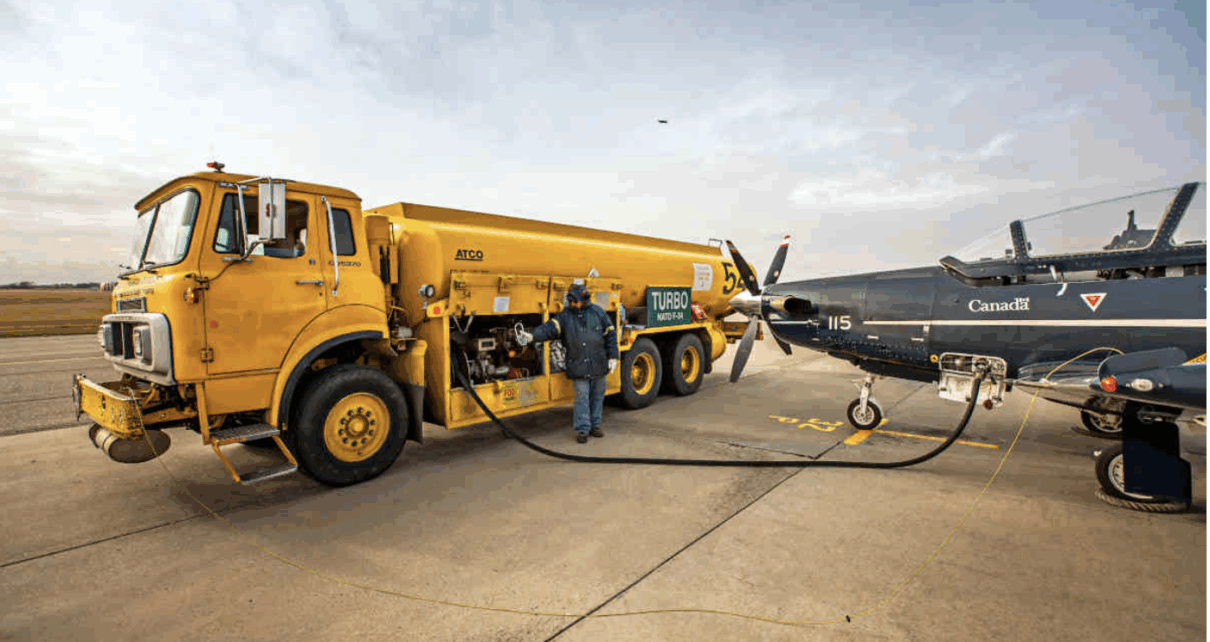
Photo: Frontec brings its experience within the NATO Flight Training in Canada to SkyAlyne’s Future Aircrew Training bid, credited to SkyAlyne.
Disclaimer: Any views or opinions expressed in articles are solely those of the authors and do not necessarily represent the views of the NATO Association of Canada.