In July, 3 employees of TBH Skincare, an Australian brand, took part in a TikTok trend where participants described their physical attributes and pieces of clothing in a singsongy fashion. After the post went viral, various internet users began attacking the trend participants, with some insisting that they were the cause of the “downfall of the Western civilization” and others asserting that they represented typical Kamala Harris voters (despite being Australian). Despite the fact that this was a fun online trend for these women, it quickly became a typical example of gendered disinformation.
The term refers to the deliberate spread of false or misleading information that targets individuals based on their gender, often to silence, discredit, or harm them. Within the political sphere, gender-based disinformation can be used to discredit an opponent, cause agitation, or even create an untrue narrative. The manner in which this is done is typically centered around the target’s gender; women and other gender-diverse folk are often centered. Gender-based disinformation can take several forms, depending on who it is targeted towards. The forms targeted towards women aim to silence them and reduce their social and political participation. The spread of gender-based disinformation against women can lead to the proliferation of threats and online harassment against particular women or women in general, which can, in turn, lead to an individual’s withdrawal from politics or a collective reduction in the number of women in politics.
This article will examine what forms gender-based disinformation can take, in addition to the harms caused by its spread. Furthermore, this article will argue that Canada would benefit from a dedicated approach to combating gender based disinformation as a form of defence against malicious foreign actors.
As mentioned earlier, one form of gender-based disinformation is specifically targeted at women and queer folks, largely with the aim of stopping them from participating in the public sphere and online political discourse. Moreover, as noted by a recent report by the Centre for International and Defence Policy (CIDP), this form of gender-based disinformation is increasingly being employed by NATO opponents on the international stage, in a bid to undermine national institutions and create fractures among a country’s population. In her article for The Walrus, McKenna also mentioned the use of disinformation specifically targeting her as a woman by foreign actors as part of the reason for her departure from federal politics.
In a recent research study published by the Community Safety Knowledge Alliance (CSKA), Sapper Labs Group (SLG), and Actua, the erosion of trust and healthy public discourse in society are highlighted as part of the harms caused by gender-based disinformation. Indeed, when women are unable to contribute to the public discourse, its quality is greatly reduced due to the absence of a diverse range of perspectives. Internationally, gender-based disinformation has sometimes taken the form of attacking the presence of women and queer folks in the Canadian military.
As noted by the CIDP, during Canada’s participation in NATO’s Enhanced Forward Presence, reports and photos of former Air Force Commander Russel Williams in women’s clothing were circulated by bad actors seeking to insinuate that the “Canadian military is full of homosexuals and shouldn’t be counted on by Latvians.” This statement alone factored into multiple facets of gender-based disinformation. It undermines the Canadian military’s strength by displaying them as unreliable, not to mention painting queer people as sexual deviants who cannot be trusted. The use of this disinformation tactic also attempts to whip up an anti-queer fervour and disapproval in Latvia, using a social issue to create a possible wedge in society.
The utilization of Williams’ crimes as an example to imply that the Canadian military is undependable also serves another goal. The appearance of gender-based disinformation in this form is also a component of hybrid warfare, and it is often utilized in combination with cyber-attacks and military intimidation. This type of gender-based disinformation could have the desired effect of reducing confidence in the Canadian military and international coalitions like NATO, in support of the originator’s hybrid warfare goals of isolating a country and destabilizing a country like Latvia.
In local political discourse, topics surrounding Indigenous women can often be polluted with narratives sourced directly from various gender-based disinformation campaigns. This can take the form of pushing stereotypes and tropes that demean and reduce them to sexual objects with little to no agency. This has the effect of miseducating the general public about Indigenous women and contributing to the violence that they currently face across North America.
Additionally, gender-based disinformation can take the form of amplifying narratives that support the notion that “real women don’t leave the home.” In the same breath, with the rise of “trad-wife content” on social media that glamorizes the traditional stay-at-home life, women who prioritize their careers and men who cannot afford to sustain a stay-at-home wife are shamed. As discourse surrounding the economics of the stay-at-home lifestyle gets polluted with false narratives and disinformation, a breakdown in civil discourse ensues, leading to online “gender wars” and greater fractures in society.
Armed with the knowledge of the existence of gender-based disinformation, how should the Canadian government combat its spread? Firstly, more research is needed to understand the effects of gender-based disinformation. Potential funding reductions to departments and organizations that conduct this research would have disastrous effects on comprehending this phenomenon and coordinating a response. In tandem with this, governments must continue to synchronize with private sector organizations and agencies to fully understand the phenomenon.
For women who are increasingly threatened and forced away from the public sphere, support must take the form of repercussions for abuse resulting from online gender-based disinformation. Threats to life and bodily autonomy must be taken seriously by police and the criminal justice system, as these two groups of people often go hand-in-hand. Additionally, the establishment and continued aid of support groups for women suffering from the effects of this type of disinformation must be renewed and supported earnestly. Efforts to ensure women and diverse folk continue to contribute to the (online) political discourse must be further reinforced in the face of the proliferation of gender-based violence.
Beyond this, gender-based disinformation goes beyond the gender divide and harms society as a whole. As such, it is the responsibility of the government to ensure that the objectives of enemy countries that utilize this form of disinformation as a form of hybrid warfare, and to create division, are not achieved.
Any views or opinions expressed in articles are solely those of the authors and do not necessarily represent the views of the NATO Association of Canada.
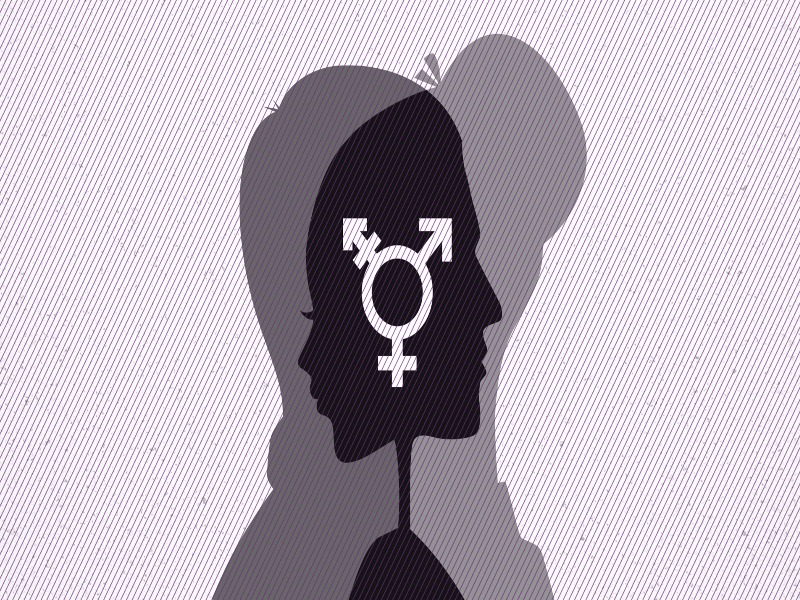
Photo retrieved from The Telegraph India.