

NATO Association of Canada
The mission of NATO Association of Canada is to promote peace, prosperity, and security through knowledge and understanding of the importance of NATO.
We strive to educate and engage Canadians about NATO and NATO’s goal of peace, prosperity and security. NATO Association of Canada ensures that we have an informed citizenry able to contribute to discussions about Canada’s role on the world stage.
As a leading member of the Atlantic Treaty Association (ATA), NATO Association of Canada has strong and enduring ties with sister organizations in many of the alliance countries, as well as members of NATO’s “Partnership for Peace” and “Mediterranean Dialogue” programmes. The NAOC has had a leading role in the recent transformation and modernization of the ATA, and helped to create and develop the Youth Atlantic Treaty Association (YATA).
The NAOC has strong ties with the Government of Canada including Global Affairs Canada and the Department of National Defence. We are constantly working to create and maintain relationships with international organizations such as the World Bank Group, the European Bank of Reconstruction and Development, NATO Headquarters, the International Criminal Court, and other prominent international NGOs and think tanks.
Related Articles
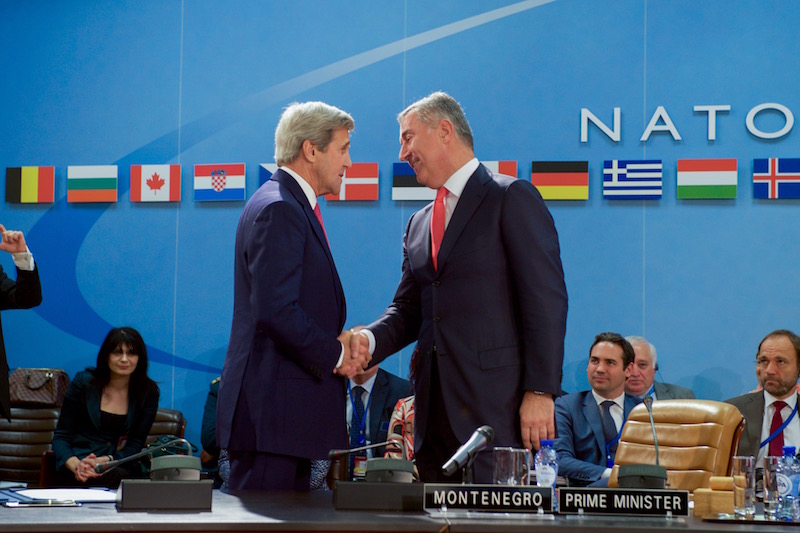
A Partner on the Adriatic: Why Montenegro’s Accession Matters for the Balkans
Posted on Author Aidan Simardone
Aidan Simardone explores how Montenegro’s accession to NATO has the potential to increase political, economic, and security-related cooperation with Balkan states.
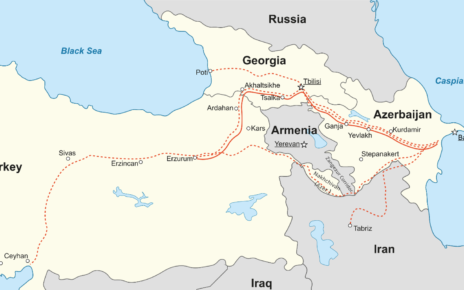
Trouble in the Caucasus – The Roots of Iran’s Tensions with Azerbaijan
Posted on Author NATO Association of Canada
One year after the Nagorno-Karabakh war, regional security in the South Caucasus is once again at risk. This time, Iran and Azerbaijan are at odds as the countries exchange words and flex their military might in drills across their shared border. In this article, Arash Toupchinejad highlights the root causes of the increasingly sociopolitical dispute and how it could have significant implications for NATO.
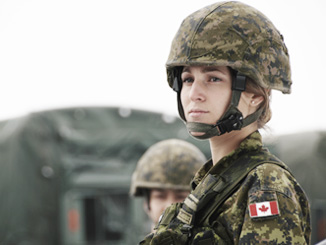
Women on the Frontline Roundtable Summary
Posted on Author Joelle Westlund
On Wednesday, November 21, 2012 the NATO Council of Canada proudly hosted its first roundtable on gender relations in the Canadian Forces and the initiatives of our military institutions to integrate women into its domestic and international defence policies.