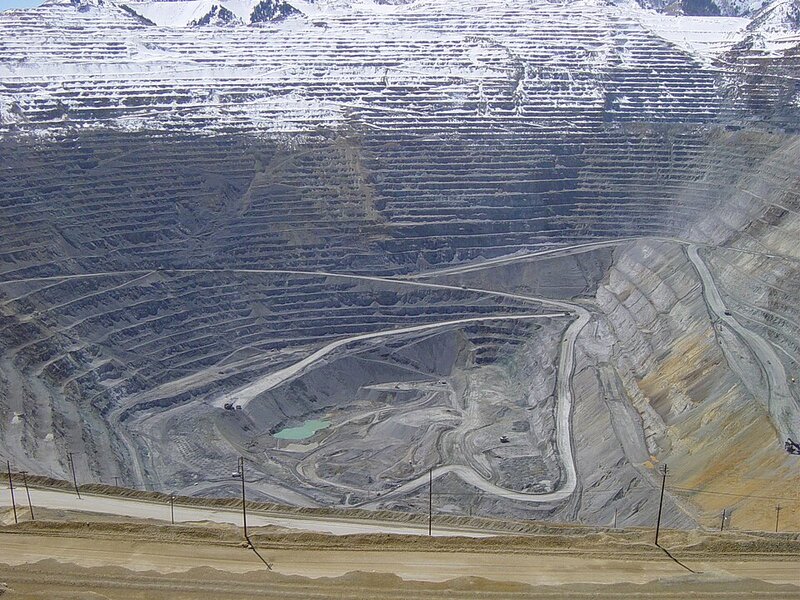
As US-China rivalry escalates, China’s new export curbs on rare earths have exposed NATO’s dangerous dependence on external suppliers for the minerals underpinning its defence industries. Daniel Lincoln argues that the Alliance must develop a unified industrial strategy to secure access to critical materials, independent of both Washington and Beijing. By building diversified supply chains, joint stockpiles, and integrated processing capacity, he contends that NATO can turn resource vulnerability into strategic resilience.
Tag: Supply Chain Security
Beneath the Surface: China’s Deep-Sea Diplomacy in the Pacific Ocean
In this article, Narayan Srivastava examines how China’s accelerating push into deep-
sea mineral partnerships across the Cook Islands, Kiribati, and Tonga is reshaping the
South Pacific’s strategic balance. The article also highlights emerging vulnerabilities for
Canada and NATO in critical mineral supply chains. The piece evaluates how Pacific
resource politics now intersect with broader questions of regional dependence, maritime influence, and great-power competition.
Blockchain in the Trump Era: Shaping the Future of Global Economy and Security
As the global landscape shifts under the Trump Administration, it is characterized by increasing political polarization, a focus on deregulation, and a growing interest in digital currencies and blockchain technologies. As a result, attention is now being paid to how these innovations could reshape the global economy and national security. The rising interest in digital Read More…
The Digital Battlefield: How China’s Cyber Program Is Reshaping National Security
On Sunday, January 19th, TikTok, the app that has captivated millions, was expected to shut down its operations in the U.S. This follows a sweeping federal ban sparked by a new law demanding that ByteDance, the Chinese company behind TikTok, divest from the app. Canada, too, is stepping up its scrutiny, forcing TikTok to close Read More…