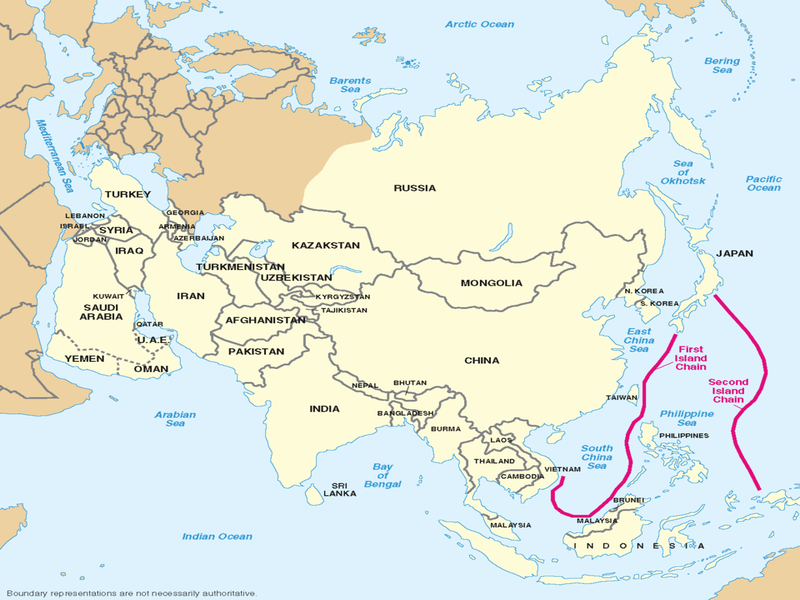
The Indo-Pacific is the geopolitical centre of the world and combines the Asia-Pacific and the Indian Ocean into a single region. As a strategic concept, the Indo-Pacific captures the interest of global powers like the U.S., China, India, Australia, Japan, and the UK, and tests NATO’s ability to adapt and maintain global peace in an inter-connected world. The program’s mandate is to provide Canadians with an analysis of security challenges in the region and to uncover the interplay of global powers, amidst emerging multipolarity in the region.
What implications does domestic Philippine politics pose for foreign policy for NATO members? In this article, Karissa Cruz highlights the broader implications posed by the Duterte-Marcos feud over foreign policy direction, what it means for NATO, and how members should perceive these tensions amidst the heightened aggression by China.
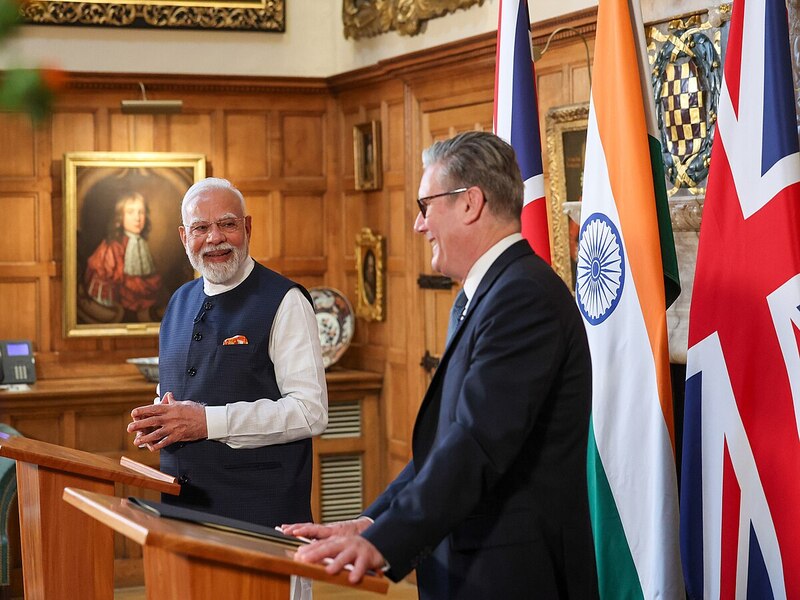
What lessons can NATO members learn from the United Kingdom and India’s growing strategic partnership? In this article, Angus MacKellar discusses how London has strengthened its relationship with New Delhi whilst avoiding broader geopolitical commitments in an increasingly fractious South Asian security environment, underlining how India’s position and interests make flexible NATO engagement both feasible and valuable.
What role can NATO play in addressing grey zone coercion in the Indo-Pacific? In this article, Joel Sawyer explores how the Alliance can strengthen regional pre-conflict deterrence and preparedness to reduce the effectiveness of coercive grey zone operations, actions, and activities.
In this article, Narayan Srivastava examines how China’s accelerating push into deep-
sea mineral partnerships across the Cook Islands, Kiribati, and Tonga is reshaping the
South Pacific’s strategic balance. The article also highlights emerging vulnerabilities for
Canada and NATO in critical mineral supply chains. The piece evaluates how Pacific
resource politics now intersect with broader questions of regional dependence, maritime influence, and great-power competition.
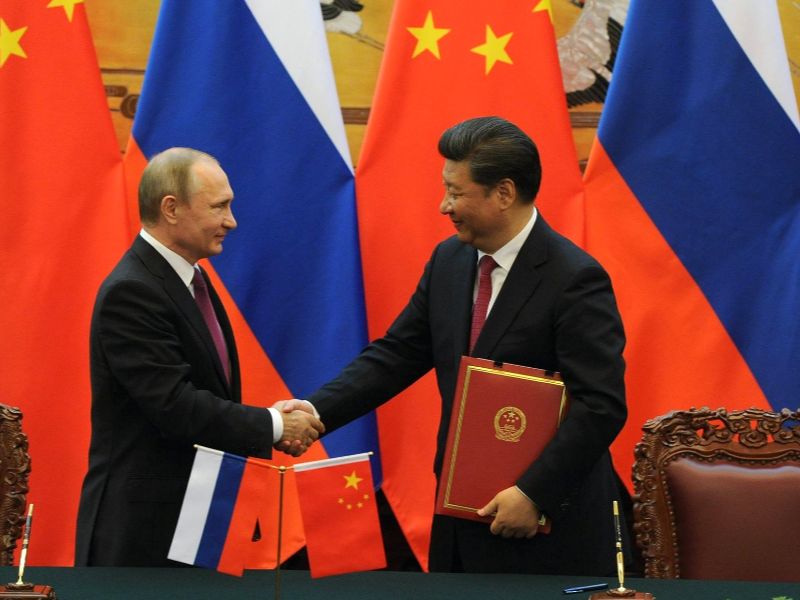
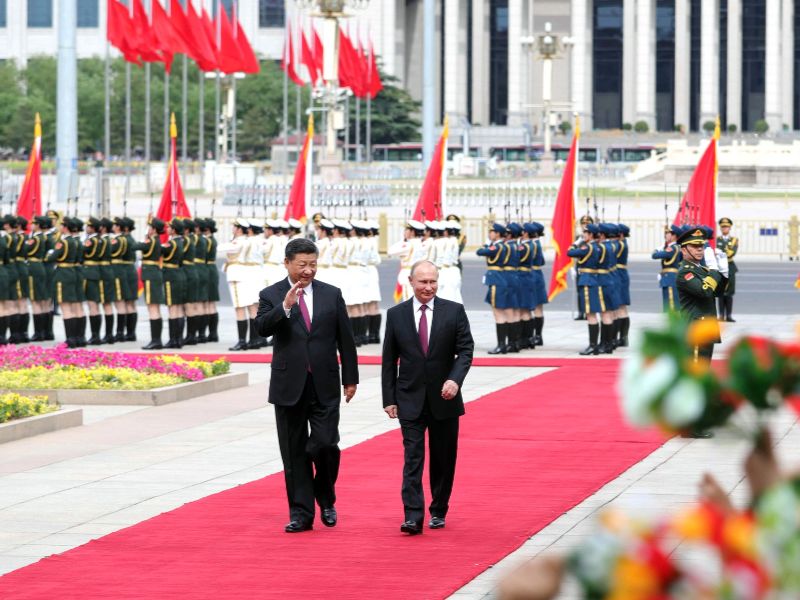
In “China’s Calculated Partnerships: Decoding Beijing’s Alignment with Russia and NATO’s Strategic Response,” Daniel Lincoln argues that Beijing’s support for Moscow stems from insecurity, not ideology, and that misreading this dynamic risks hardening a fragile partnership. The piece calls for a strategy of restraint and engagement – one that deters aggression while offering China reasons to distance itself from the Kremlin.
In his latest piece, Alexander Morrow highlights how new NATO spending commitments strengthen security in both Europe and the Indo-Pacific. As the alliance rebalances burden sharing, European arms purchases have the potential to bolster the United State’s military industrial base and its ability to deter aggression against Taiwan.
In Strategic Myopia: The Folly of Tariffing China to Halt Russian Aggression in Ukraine, Daniel Lincoln argues that proposed secondary sanctions on China would backfire by hurting Western economies more than Beijing. Drawing on data and historical parallels, he contends that China’s vast domestic market, diversified trade networks, and resilience to sanctions make economic coercion ineffective. Instead, he maintains that NATO should focus on understanding Beijing’s strategic calculus and pursue policies that engage rather than alienate China.
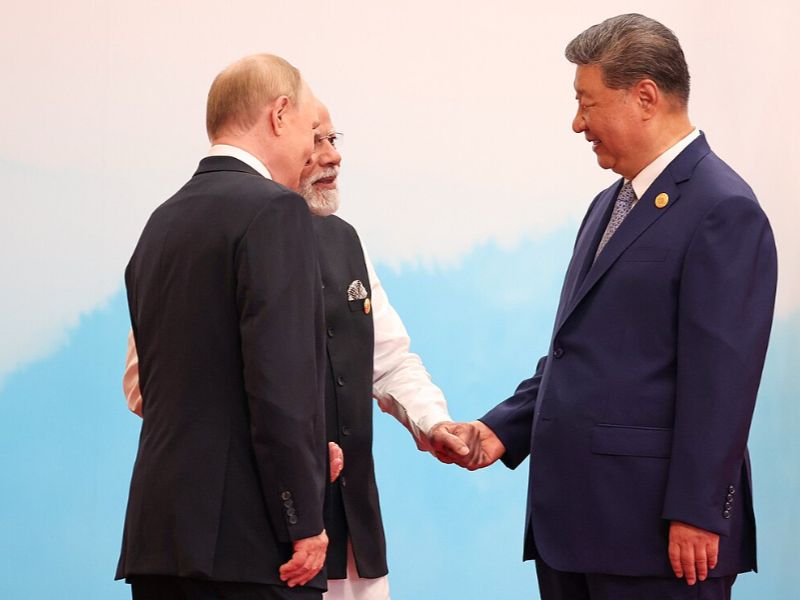
Narayan Srivastava highlights how NATO’s relevance in today’s multipolar world depends on engagement with the Global South. From safeguarding maritime chokepoints to strengthening resilience in energy and trade, actors like India, Brazil, and the Gulf states are emerging as indispensable partners. By expanding its partnership models and leveraging shared interests, this article explores how NATO can reinforce its role as the global custodian of stability, ensuring that the Alliance not only adapts to new realities but leads in shaping them.
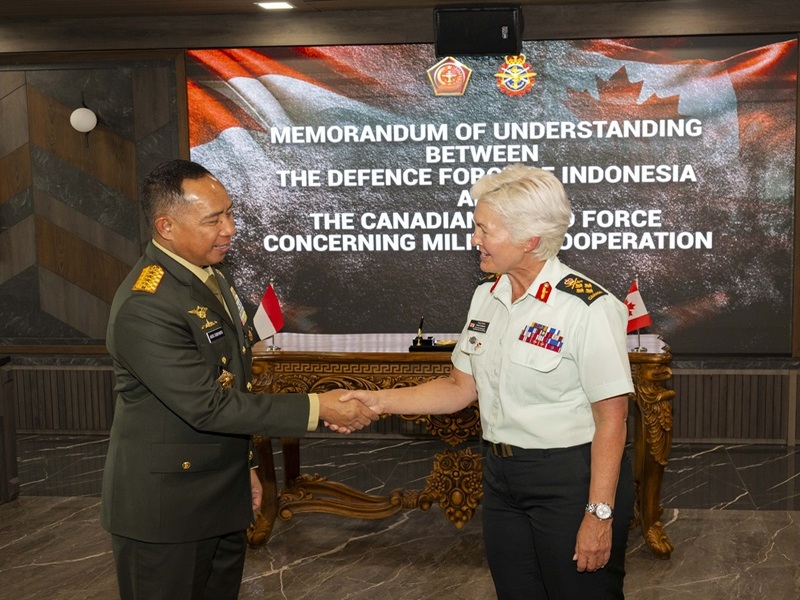
What does Canada’s defence pact with Indonesia mean for foreign policy? In this article, Karissa Cruz highlights the broader implications posed by Canada’s new strategy in maritime and military cooperation with Indonesia, what it means for both countries, and how it can be considered a response to the shift in America’s foreign policy.
Canada is a hotspot of money laundering from the Indo-Pacific region. In his new article, Rubiat Saimum is explaining why Canada should treat money laundering as a national security priority and strengthen institutional ties with Indo-Pacific nations to address it.