The NATO Association of Canada’s Energy Security Program, directed by Senior Research Fellow Dr. Robert M. Cutler, provides analysis and outreach on the full spectrum of energy-security concerns facing NATO members and partners. Core areas include the security of supply and demand, market and policy reliability, and the physical protection of critical energy infrastructure including supply chains for critical raw materials. The Program continuously assesses geopolitical, geo-economic, and military developments that may alter allied energy risks, options, and resilience. It advances public understanding and policy dialogue through webinars, the Energy Security blog, and sequenced series of Research Briefs, Policy Papers, and Research Studies. Contributors—including practitioners, scholars, and emerging analysts—are welcome. Please write to rmc@alum.mit.edu with the subject line “NAOC Energy Security Program” to propose articles, briefs, or events.
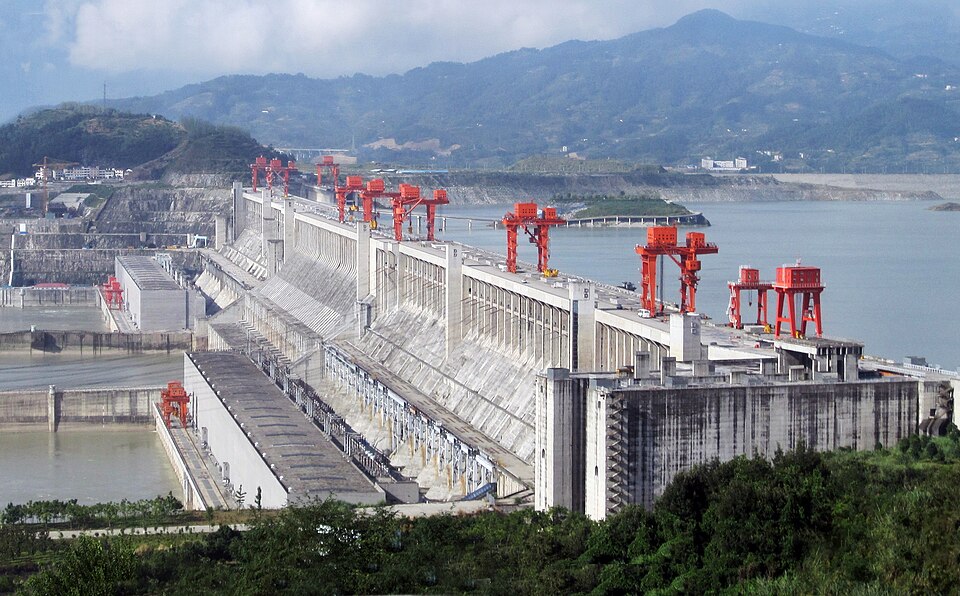
Energy infrastructure is rarely just about energy. Pipelines shape geopolitics, power grids encode alliances, and ports built for trade can quickly acquire military relevance. China’s planned Medog Hydropower Station in Tibet (Xizang) is a striking illustration of this reality. At first glance, it is a colossal clean-energy project meant to advance decarbonization and domestic energy Read More…
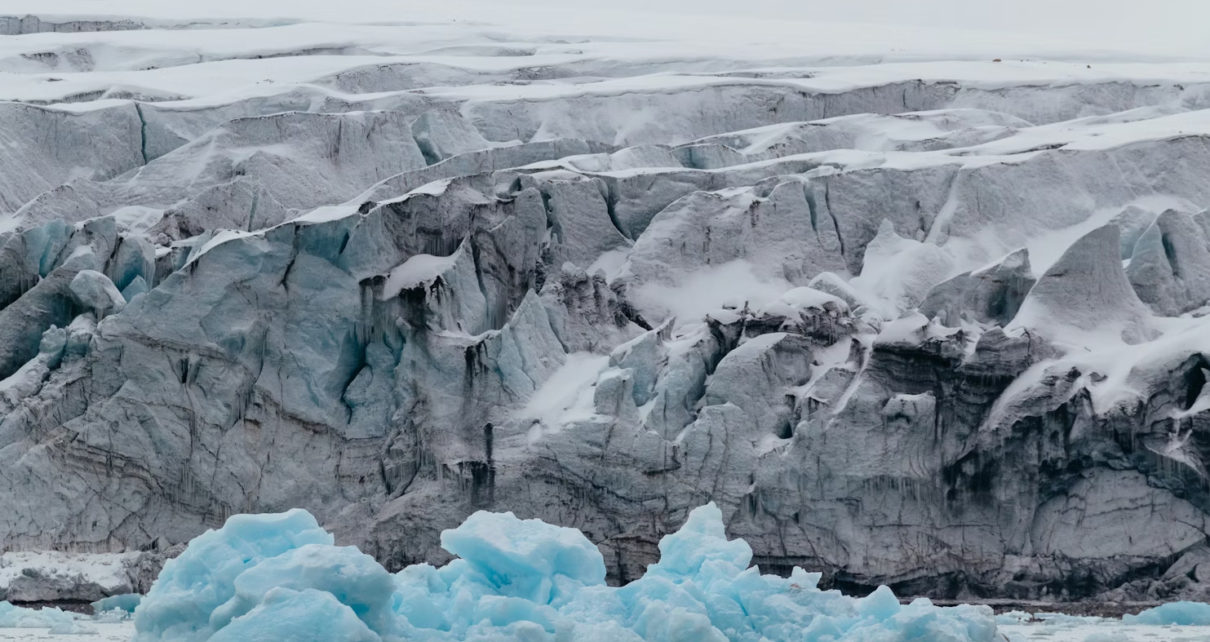
The Canadian Arctic has become a focal point of global strategic competition, but the region’s energy infrastructure has not kept pace. Currently, remote communities and military installations in the Arctic depend on diesel fuel delivered via seasonal ice roads or costly airlift operations. Communications networks are unreliable, and diesel power plants lacking redundancy are operating Read More…
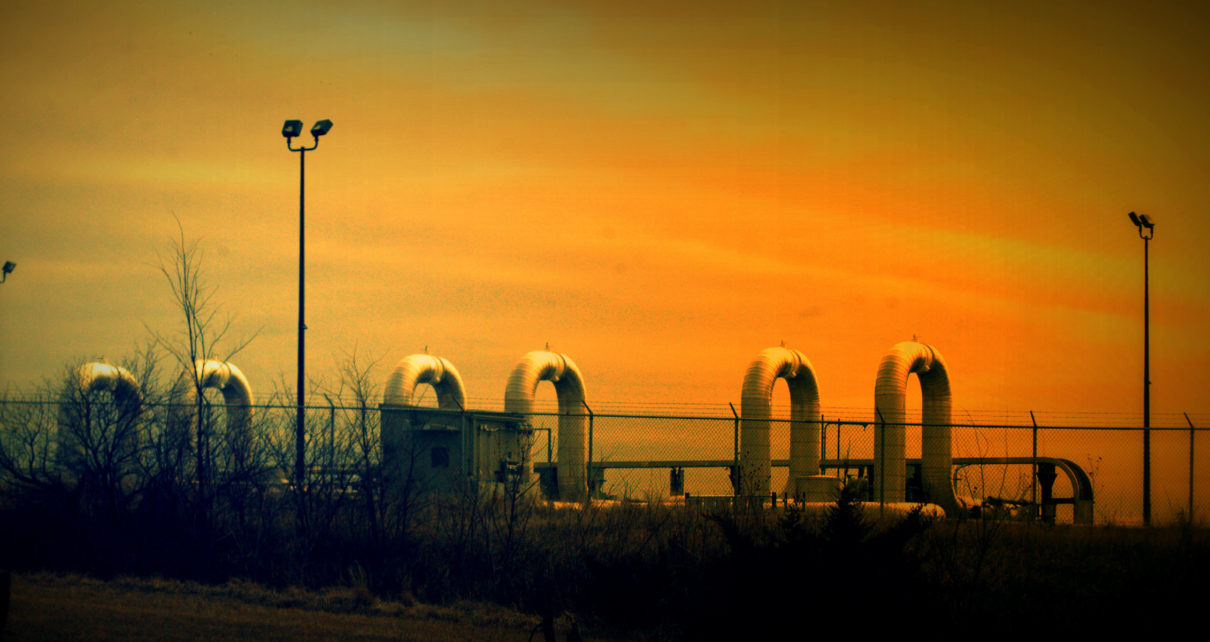
In May 2021, a ransomware attack crippled Colonial Pipeline, one of North America’s largest fuel distribution systems across its 5,500-mile network. The incident disrupted supply across the U.S. East Coast for days, triggering widespread shortages, panic buying at gas stations. The attack exposed a troubling reality: critical infrastructure in North America is more vulnerable than previously suspected. While Canada avoided Read More…
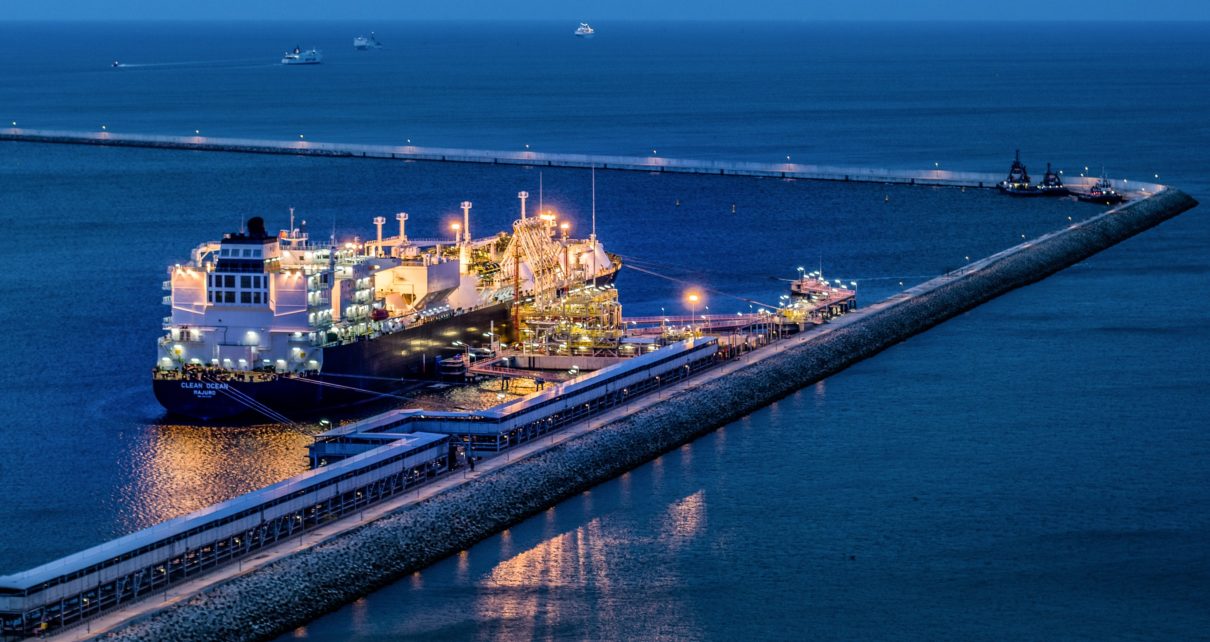
Since the 2022 Russian invasion of Ukraine, the European Union has moved to end reliance on Russian energy. On 26 January 2026, the Council adopted a stepwise ban on imports of Russian pipeline gas and liquefied natural gas (LNG), with a full ban on LNG from the beginning of 2027 and on pipeline gas from Read More…
Energy security debates often focus on supply: who produces energy, who transports it, and who depends on whom. This framing has centered on the nexus between physical assets and trade flows—pipelines, terminals, generation capacity, and shipping routes. Increasingly, however, strategic vulnerability is shaped less by the location of infrastructure than by who controls it and Read More…
Introduction The 2022 Russian invasion of Ukraine has forced NATO to acknowledge the weaponization of energy. Electric grid coercion, gas cut-offs and cyber-intrusions into critical energy infrastructure and pipeline flow manipulation all represent core structural vulnerabilities of the European security architecture. NATO has responded by moving energy security from the periphery of its security planning Read More…
As Canada seeks to strengthen its ties with the EU, how does division in European energy policy and broader support for Ukraine affect transatlantic unity? In this article, our Junior Research Fellow Angelina Smolynec unpacks pipeline politics and explains why Hungary and Slovakia have deepened their ties with Moscow, while most of the EU has committed to phasing out Russian fuel.
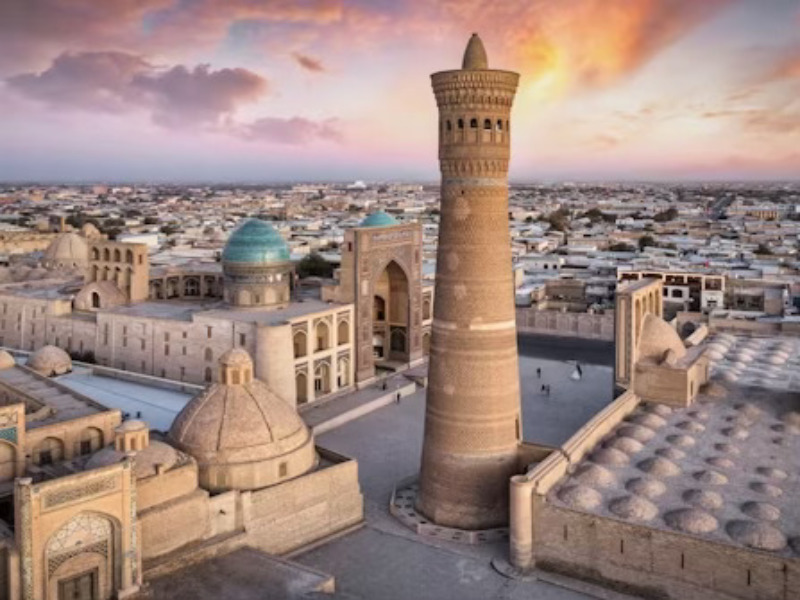
Uzbekistan’s significance for European energy security has grown, and there is every indication that it will grow further. For most of the post-Soviet period, and especially under President Islam Karimov from independence in 1991 until his death in 2016, its energy sector was run as a tightly controlled extension of the old Soviet system, which Read More…
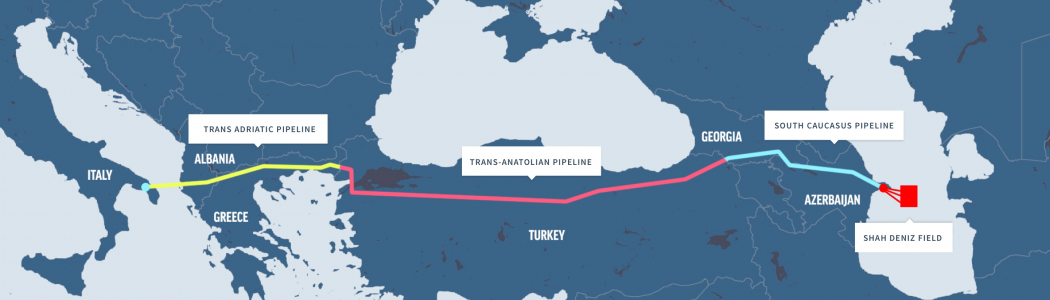
Azerbaijan and Italy are tightening energy ties, and this is having system-wide Euro-Caspian effects. In September, it was reported that SOCAR agreed to acquire Italiana Petroli, one of Italy’s largest fuel retailers, pending approvals. This purchase does not add gas capacity on day one, but it does insert Azerbaijan directly into Italy’s downstream market, bringing Read More…
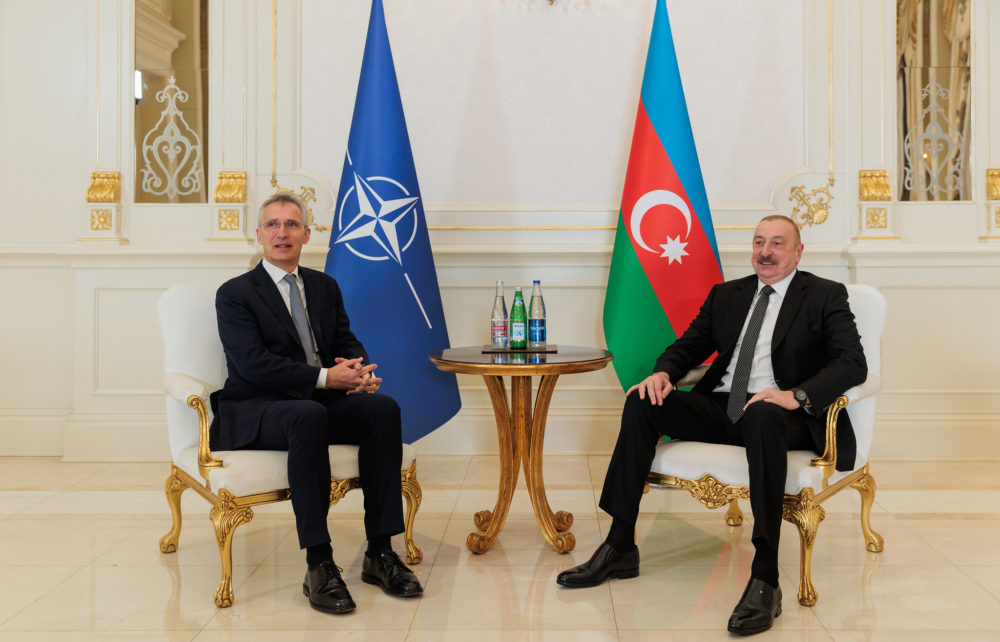
Robert M. Cutler, Director of the Energy Security Program, is represented NAOC at the Academic Conference on the 30th Anniversary Of Azerbaijan’s Joining NATO’s Partnership For Peace Programme, being held in Baku on 26–27 November 2024. This is an advance copy of his invited remarks. Executive Summary: NATO’s Partnership for Peace (PfP) program can expand Read More…