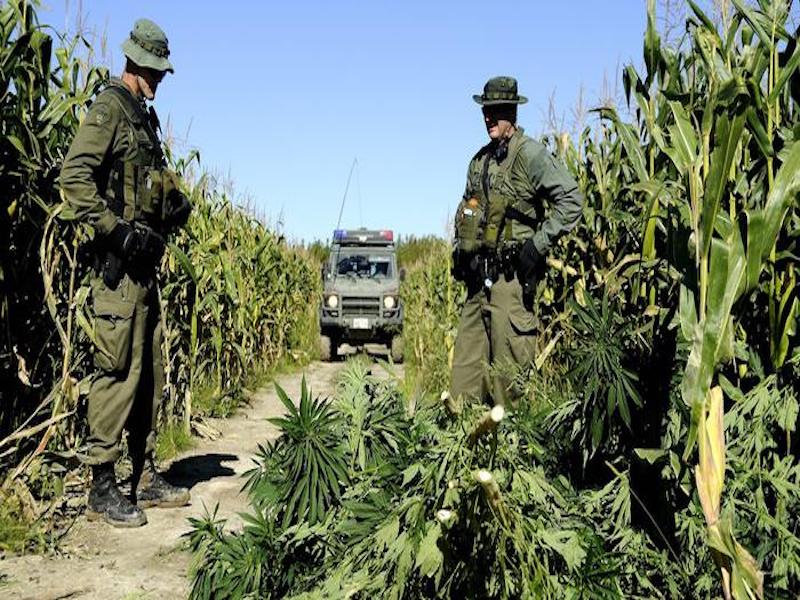
Demyan discusses how the new Canadian Cannabis legislation will affect Canadian Forces policy and outlines the combination of maintaining the foundation of current CF policies while adapting to new legislation.
The NAOC’s Cyber Security and Emerging Threats Program features an in-depth analysis of latest trends, developments, and threats in international security. New security concerns are always on the horizon and our program seeks to examine these domains including global warming, natural resources, drones, urban conflicts, and cyberspace.
The program’s mandate is to keep Canadians informed on these rapidly developing and increasingly pivotal realms that are integral to all aspects of security.
Demyan discusses how the new Canadian Cannabis legislation will affect Canadian Forces policy and outlines the combination of maintaining the foundation of current CF policies while adapting to new legislation.
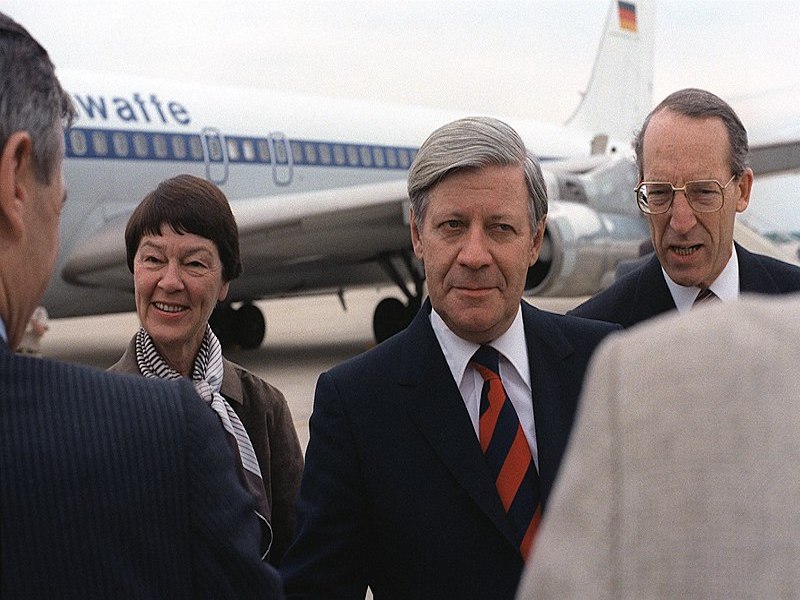
This is the first of a two-part series analyzing the impact of Europe’s changing intermediate-range missile landscape and the fate of the INF Treaty.
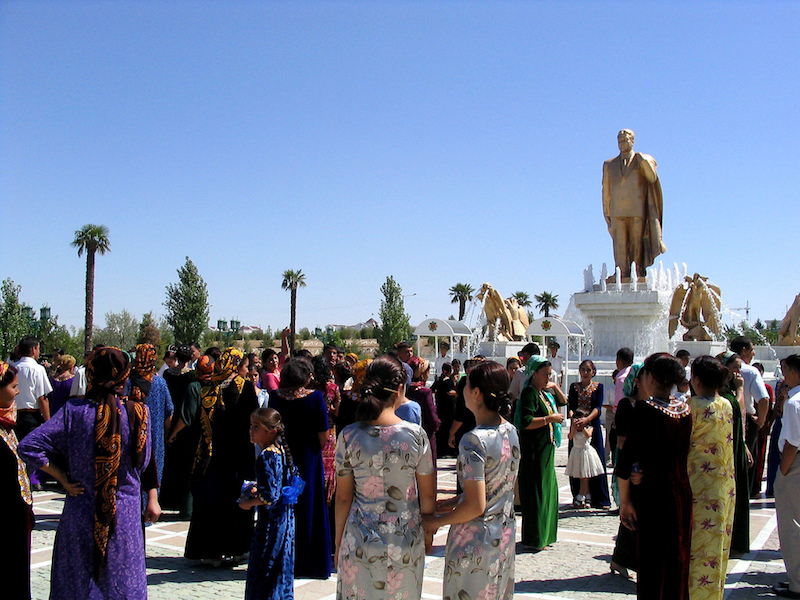
In her latest article, Isabelle Ava-Pointon discusses the current political climate and human rights abuses in Turkmenistan.
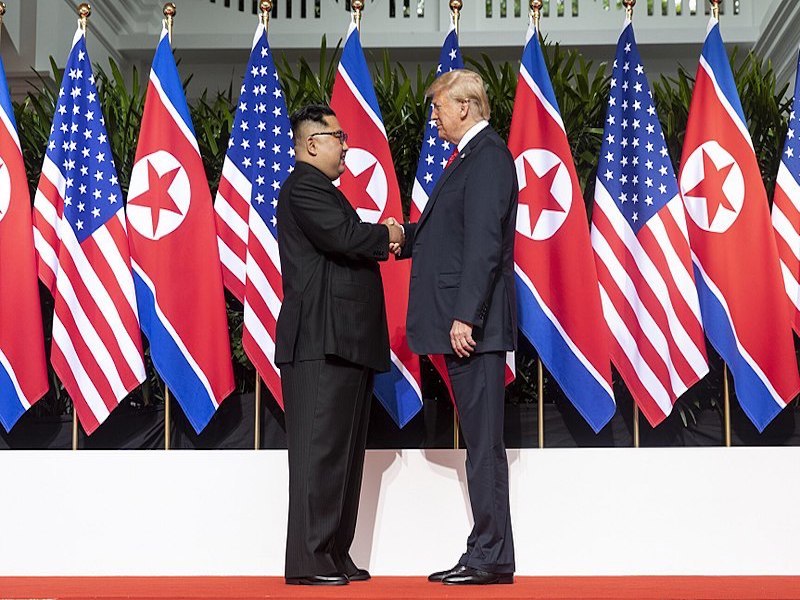
It has been over two weeks since the Singapore summit ended. Overall, the assessment of the Singapore Summit is negative. In particular, the US media and experts who disbelieve North Korea suggest that it amounted to North Korea’s victory and America’s defeat. But is it true that the Singapore talks were really a failed meeting? Read More…

As the shipping industry continues to mature, it is turning to technology to handle the large amounts of information, data, and goods flowing through its supply chains. However, as Program Editor Amaliah Reiskind explains, these tools have been implemented without proper concern for the vulnerabilities they open the industry up to.
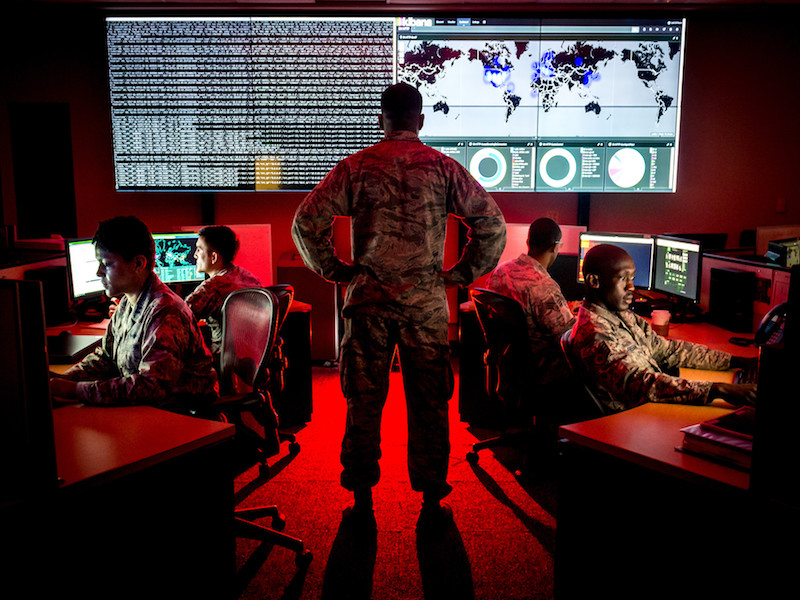
The United States’ intelligence agencies face an uphill battle in regaining public trust and moving past their intense politicization since the 2016 election campaigns.

2018 marks the 60th anniversary of the NATO Science for Peace and Security (SPS) Programme, one of NATO’s key non-military cooperation initiatives. Senior SPS and Partnership Cooperation Advisor Dr. Deniz Beten answers questions for Program Editor Amaliah Reiskind on the Programme’s history, impacts, and how Canadians can get involved.
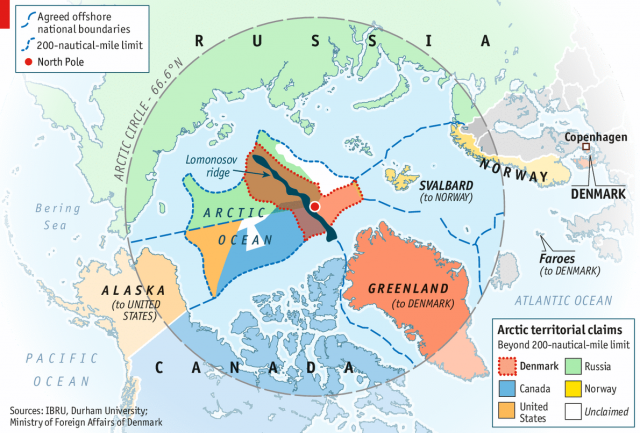
The rapidly melting Arctic is creating an opportunity for resource extraction and the expansion of shipping routes. In 2008, under the US Department of the Interior’s supervision, the United States Geological Survey estimated that 13% of the world’s undiscovered oil and 30% of its gas is located in the Arctic Circle. Eight years later at Read More…
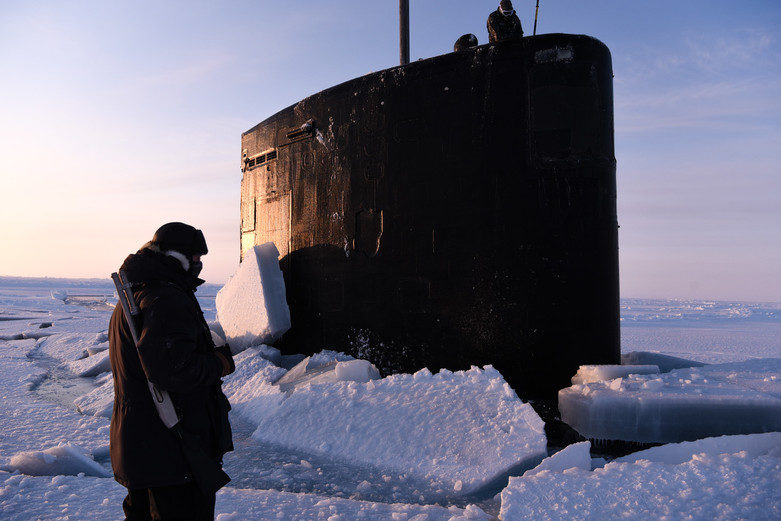
States must commit to international law if they wish to avoid conflict in the Arctic, Aidan Simardone writes.
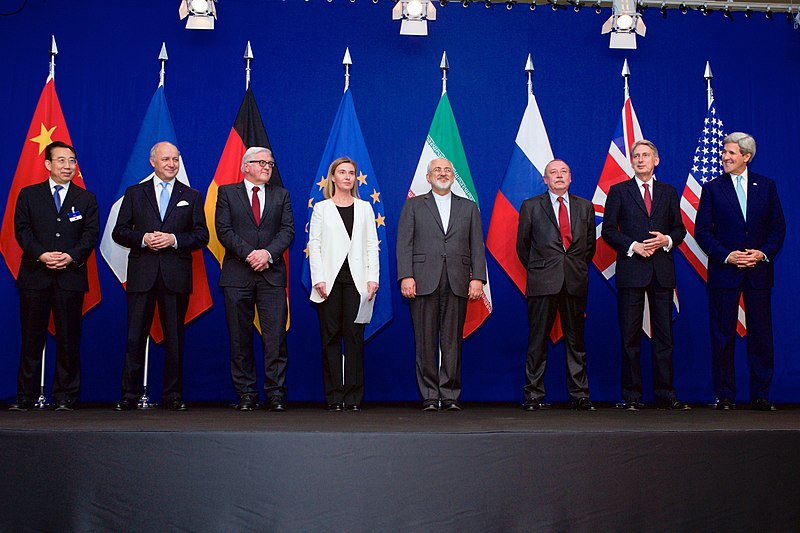
Junior Research Fellow Ramesh Balakrishnan examines the history of diplomacy between Iran and America and how it relates to President Trump’s current rhetoric regarding the Iran Deal.