Daniel Lincoln is a Junior Research Fellow with the NATO Association of Canada's Indo-Pacific and NATO program. Drawing on his background as a policy research analyst at The China Institute (TCI) at the University of Alberta, Daniel's research interests include Chinese global investment patterns, the strategic implications of China's rise and great power competition on middle powers, and Canada's navigation of emerging shifts in the international order. In addition to his role at The China Institute, Daniel also is the CFO of the Canada-China Forum, strengthening public engagement and institutional partnerships on Asia-Pacific engagement with Canada. Daniel also serves as a commissioned infantry officer in the Canadian Armed Forces Primary Reserve. Daniel is currently pursuing a Juris Doctor degree at the University of Alberta's Faculty of Law, set to graduate in 2028. In addition to English, Daniel speaks Russian.
As US-China rivalry escalates, China’s new export curbs on rare earths have exposed NATO’s dangerous dependence on external suppliers for the minerals underpinning its defence industries. Daniel Lincoln argues that the Alliance must develop a unified industrial strategy to secure access to critical materials, independent of both Washington and Beijing. By building diversified supply chains, joint stockpiles, and integrated processing capacity, he contends that NATO can turn resource vulnerability into strategic resilience.
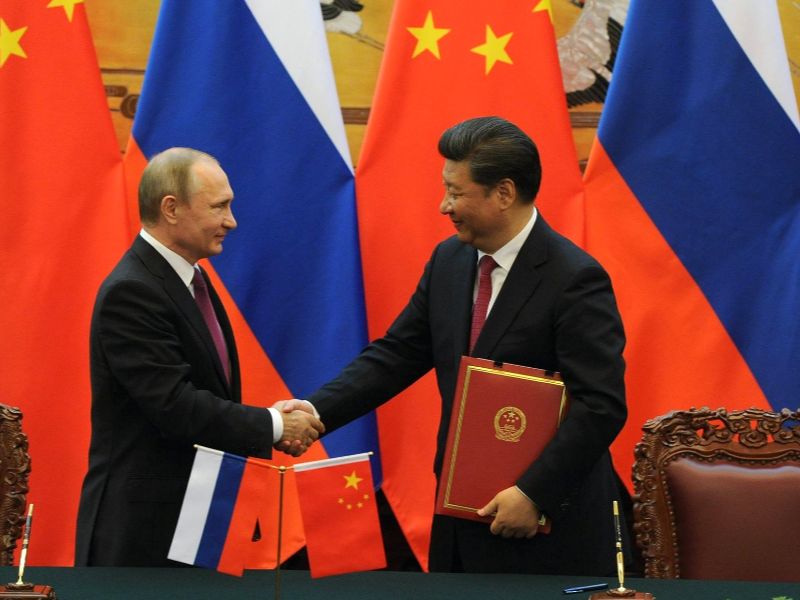
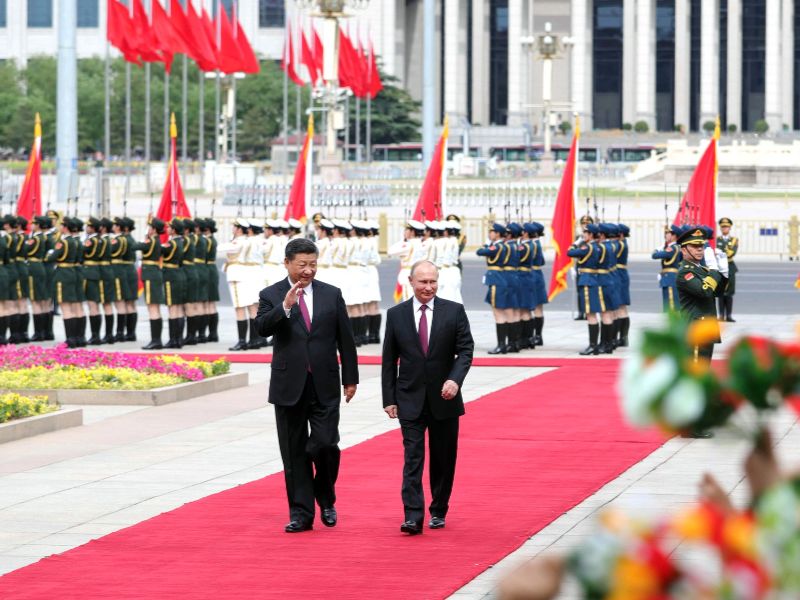
In “China’s Calculated Partnerships: Decoding Beijing’s Alignment with Russia and NATO’s Strategic Response,” Daniel Lincoln argues that Beijing’s support for Moscow stems from insecurity, not ideology, and that misreading this dynamic risks hardening a fragile partnership. The piece calls for a strategy of restraint and engagement – one that deters aggression while offering China reasons to distance itself from the Kremlin.
In Strategic Myopia: The Folly of Tariffing China to Halt Russian Aggression in Ukraine, Daniel Lincoln argues that proposed secondary sanctions on China would backfire by hurting Western economies more than Beijing. Drawing on data and historical parallels, he contends that China’s vast domestic market, diversified trade networks, and resilience to sanctions make economic coercion ineffective. Instead, he maintains that NATO should focus on understanding Beijing’s strategic calculus and pursue policies that engage rather than alienate China.
By Daniel Lincoln The modern Indo-Pacific is witnessing assertions of strategic autonomy that challenge classical geopolitical logics and patterns of great power competition. During the 2025 Shangri-La Dialogue in Singapore, regional leaders signaled that they will not be corralled into binary agreements amid intensifying US-China rivalry. The forum revealed a fundamental rejection of zero-sum superpower Read More…