Canadian wildfires are observably intensifying throughout the country as discussed in my previous article. While it is extremely important to tackle this issue from the root cause through methodologies such as the Net Zero commitments and recent COP 29 negotiations, it is also important to analyze how disasters such as wildfires may be exacerbated by national response mechanisms. This article will examine the ways in which Canada’s decentralized government structure and lack of unified approach to disaster management may be contributing to emergency response delays during wildfire crises, and potentially weakening national defense in the process.
When a fire is sparked, the first instinct of many is to call the fire department. These services are regulated by the municipality, and therefore different departments have different response times depending on capacity. If a fire becomes too big for the fire department, a provincial crew is dispatched. If the fire begins to affect a large number of residents that now need to be evacuated, the provincial crews may request further assistance from federal agencies such as the military. If the residents evacuated are residing in Indigenous communities, Indigenous Services Canada also becomes involved. Therefore, at the height of a major wildfire in Canada, there are now four different sectors involved in response. With four separate agencies and no standardized emergency response curriculum, it will become apparent that this cripples available resources, as they are not used to their full potential. This, in turn, intensifies the impacts of wildfires and has major social, economic and environmental consequences.
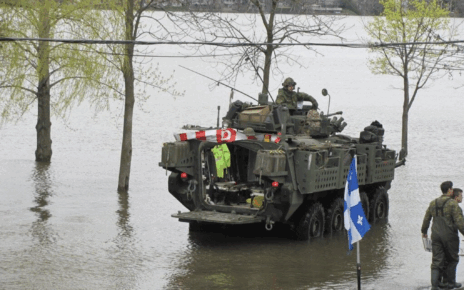
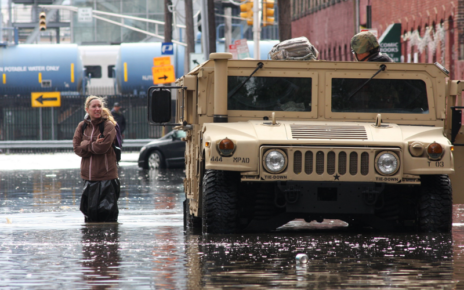
The armed forces are often involved in major disasters across Canada, as the country lacks a federal disaster response agency. This complicates the coordination of disaster response, as there are no specialized agencies or overarching bodies to address these crises as they become more frequent and destructive. Therefore, substantial military resources are deployed in cases of wildfire related emergencies, which can overwhelm both civil and militarized protection agencies. The 2024 Secretary’s Report of the NATO Climate Change and Security Impact Assessment has specifically expressed concern for Canada’s resilience, as civil protection agencies continuously rely heavily on support from the armed forces to aid in various aspects of response including emergency logistics, evacuation, and firefighting.
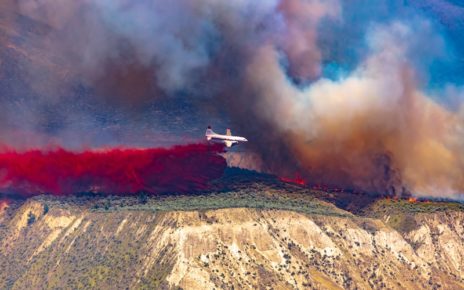
With civil protection agencies unequipped to handle large scale disasters, armed forces become primarily responsible for compensating for the gaps of response. This creates challenges, as concurrent crises across multiple provinces stretches capacities for effective management. Furthermore, recent wildfire events have highlighted gaps in communication and jurisdictional clarity. For example, in the case of the Jasper wildfires, Alberta Premier Danielle Smith noted that the province requires approval from the Federal government to deploy “provincial water bombers over federal lands.” This issue thus presents a critical weakness in managing emerging wildfire threats. The Canadian water bombers are one of North America’s most valuable resources in terms of wildfire response, as the CL- 215 and CL-415 aircrafts are extremely in- demand across the world. Therefore, as a pioneer in aerial firefighting, Canada possesses extremely valuable resources that are not being used or directed in an efficient manner, which is a testament to how coordination of response to wildfires is not sustainable. Gaps in efficiency such as coordination and immediate response indicate that Canada’s response mechanisms could be more comprehensive if streamlined to a unified response.
Coordination during wildfires is proving to be a consistent issue, as the provincial government of Manitoba has been criticized for the management of the recent wildfires that began in late May. These fires primarily impacted Indigenous communities, with over 4400 households affected on reserves throughout northern Manitoba. Indigenous leaders have criticized the response which included both civilian and military efforts for the disorganized and “frightening” nature of the evacuation process from Pukatawagan to Niagara. As the flames reached within five hundred metres of the community, local leaders pleaded for help and resources to keep the residents safe. Unfortunately, help did not arrive until three to four days later. Indigenous Services Canada claims to have managed the evacuation, but noted that “emergency response is a shared responsibility and first response is generally up to local authorities.” This statement emphasizes the emerging theme of response mechanisms that are failing to protect people, property and valuable resources within Canada.
Recommendations
The Standing Committee on National Defence has proposed 16 recommendations for providing disaster relief in regard to civil and militarised operations. The recommendations include addressing the armed forces recruitment crisis and creating a database of skilled volunteers. Recommendations also call for increased investment in disaster response resources, a national climate adaptation strategy, and the creation of a professional disaster response workforce. The report also called for the development of a standardized emergency curriculum which would enhance collaboration between federal, provincial and local authorities. This would reduce reliance on militarized forces, and utilize specialized civil emergency response mechanisms.
Furthermore, it is clear that Canadian national defense authorities are emphasizing the importance of reducing reliance on military forces to respond to climate emergencies, and streamline effective communication between levels of government. These recommendations indicate a strong need for a specialized federal emergency disaster response agency that is equipped to respond to the emerging intensity of climate change related national emergencies.
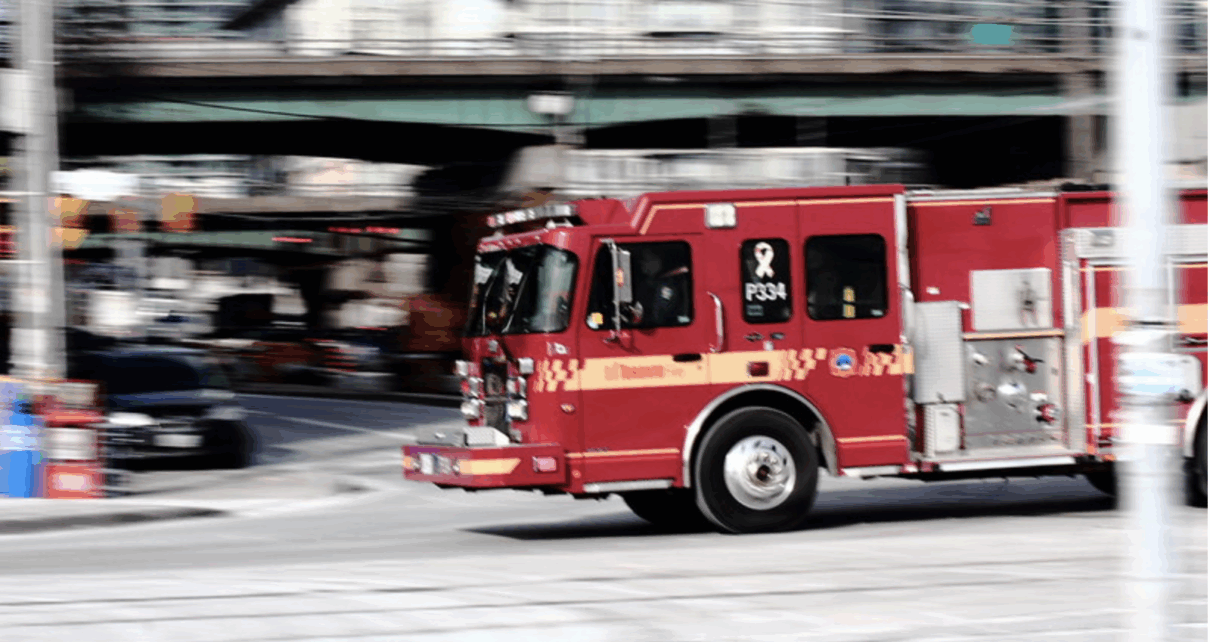
Photo: “Emergency” by Darren Miles. Licensed under CC BY-NC-ND 2.0. Flickr.
Any views or opinions expressed in articles are solely those of the authors and do not necessarily represent the views of the NATO Association of Canada.