


NATO Association of Canada
The mission of NATO Association of Canada is to promote peace, prosperity, and security through knowledge and understanding of the importance of NATO.
We strive to educate and engage Canadians about NATO and NATO’s goal of peace, prosperity and security. NATO Association of Canada ensures that we have an informed citizenry able to contribute to discussions about Canada’s role on the world stage.
As a leading member of the Atlantic Treaty Association (ATA), NATO Association of Canada has strong and enduring ties with sister organizations in many of the alliance countries, as well as members of NATO’s “Partnership for Peace” and “Mediterranean Dialogue” programmes. The NAOC has had a leading role in the recent transformation and modernization of the ATA, and helped to create and develop the Youth Atlantic Treaty Association (YATA).
The NAOC has strong ties with the Government of Canada including Global Affairs Canada and the Department of National Defence. We are constantly working to create and maintain relationships with international organizations such as the World Bank Group, the European Bank of Reconstruction and Development, NATO Headquarters, the International Criminal Court, and other prominent international NGOs and think tanks.
Related Articles

Differing Approaches to Defence Procurement
Posted on Author Stefan Konrad
With the establishment of a permanent Defence Procurement Secretatariat in Canada, Stefan Konrad argues we can still learn more from the procurement strategies of our allies.
Asia-Pacific
Diplomatic Relations
North Korea
Republic of Korea
Security, Trade and the Economy
Yun Sik (James) Hwang
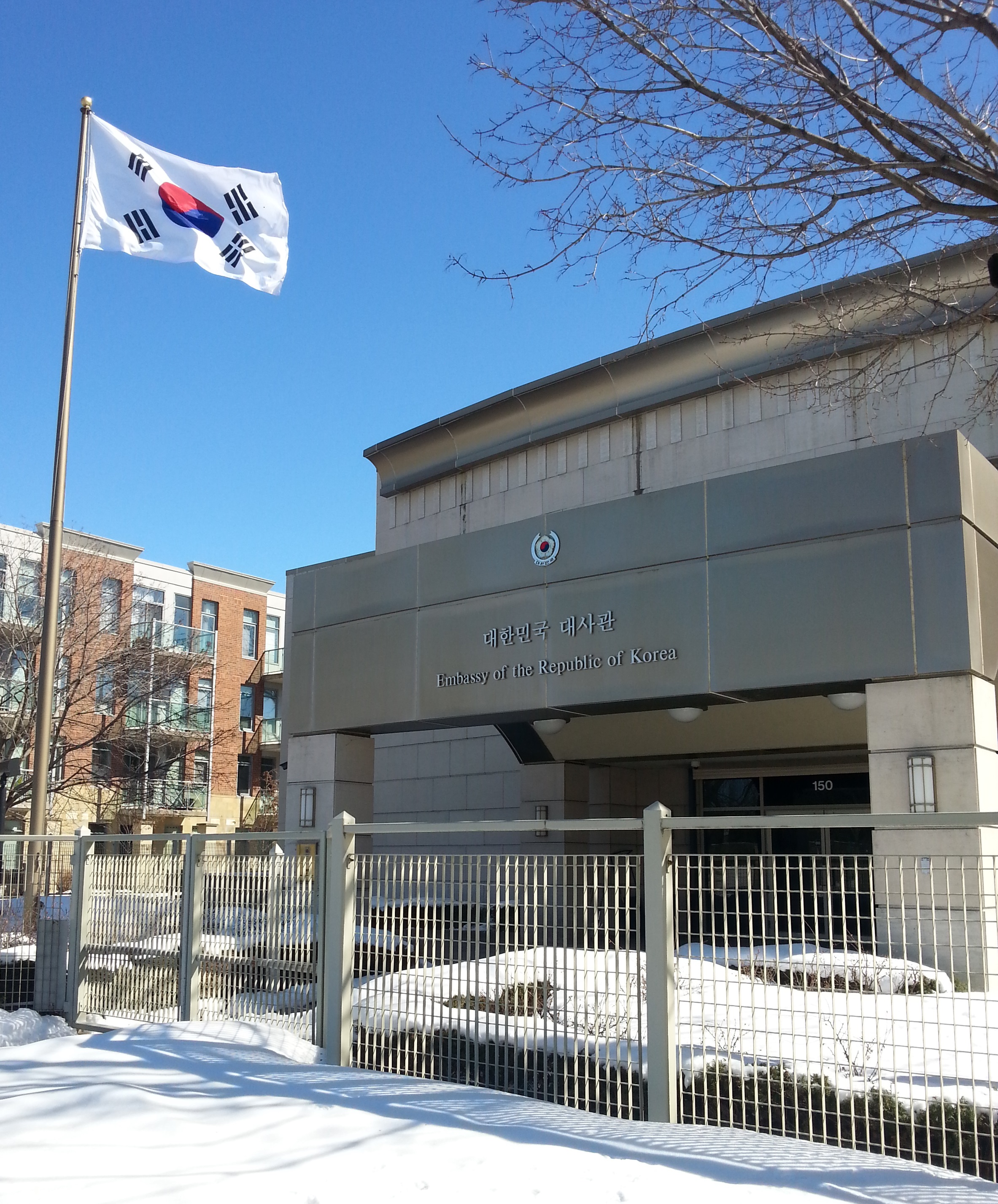
The Asian Web: A New Perspective with the Ambassador of the Republic of Korea to Canada
Posted on Author Yun Sik (James) Hwang
In this series of podcast interviews, Yun Sik (James) Hwang interviews His Excellency Maeng-ho Shin, Ambassador of the Republic of Korea to Canada, about his personal experience as a diplomat, Canada-South Korea relations, and South Korea’s foreign policy on North Korea.
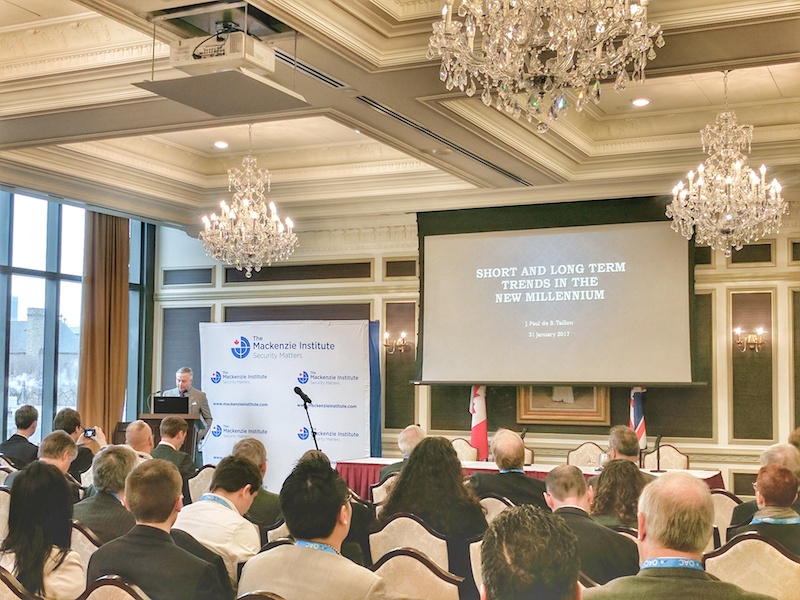
Canadian Defence Policy in Review: The Geopolitical Context 2020-2050
Posted on Author Alexander Sawicki
Alexander Sawicki attended last week’s Mackenzie Institute Conference on 2016’s Defence Policy Review, and provides a brief overview of the wide range of topics discussed. See inside for more.