During Russia’s invasion of Ukraine, the world was given yet another case to underscore how cyberspace has become a battlefield. In January 2022, researchers uncovered Whisper Gate, a virus that corrupted the master boot record on targeted computers. Following on to February, another malware, Hermetic Wiper, erased data hours before the Russian invasion. Banks, ministries Read More…
Tag: Russia
North Korea and Russia: A Growing Military Alliance with Global Implications
As Russia and North Korea deepen their military alliance, the threat spans from Kyiv to the Korean Peninsula. To meet this global challenge, NATO and South Korea must strengthen defence ties and industrial cooperation.
Science, Technology, and Strategic Foresight: Strengthening NATO for a Complex Future
This year was a big moment for science and technology (S&T) within NATO. On July 1, 2025, the Alliance designated Steen Søndergaard as its new Chief Scientist, taking over from Dr. Bryan Wells in order to bring a fresh approach to NATO’s S&T efforts. At the 2025 NATO Summit at The Hague, the Allies agreed Read More…
NATO’s Defence Spending Surge Is a Smart Move – But Can Europe and Canada Keep Up?
In June 2025, during the NATO summit in The Hague, the alliance agreed to a massive increase in defence spending, committing to reach the 5% goal by 2035. This article examines why Canada and the EU must match their rhetoric with resolve and highlights effective avenues for achieving higher defence investment.
Financing the enemy: The limits of NATO’s strategic decoupling from Russian fossil fuels
Despite vocally supporting Ukraine, between February 2022 and February 2025, NATO countries paid more to Russia for energy imports than they provided in aid to Ukraine. This article analyzes the limits of NATO’s strategic decoupling from Russian fossil fuels and proposes concrete steps the alliance as a whole, and Canada in particular, should take to tackle this problem.
The U.S.-Ukraine Mineral Deal: Economic Commitment and America’s Stake in the Euro-Atlantic Future
This article analyzes the U.S.-Ukraine mineral deal – a diplomatic success for Ukraine that nonetheless signals a transition to a more restrained U.S. approach to global defense. It argues that other NATO members must step up to safeguard collective security and work toward fostering mutually beneficial economic cooperation within the alliance.
NATO Summit 2025: Canada’s Leadership, Leverage, and Alliance Future
In the weeks leading up to the NATO Summit in The Hague taking place from June 24th–25th, Canada has found itself at the centre of multiple international conversations. Coming off the heels of the G7 summit in Kananaskis, where Prime Minister Mark Carney pledged an extra $2 billion in aid to Ukraine and promised to hit NATO’s 2% defence spending benchmark by Read More…
Polar Promises: How Canada and NATO Can Defend the Arctic
Canada is seeing rising tensions on its southern border. While calls from the current US administration to make Canada the 51st state draw the public’s attention, there is another border that has seemed to slip the minds of most Canadians: the Arctic. Canada and Russia share a border through the Arctic, which has proven to Read More…
Playing the Cards Right: Ukraine’s Tech Edge is NATO’s Strategic Opportunity
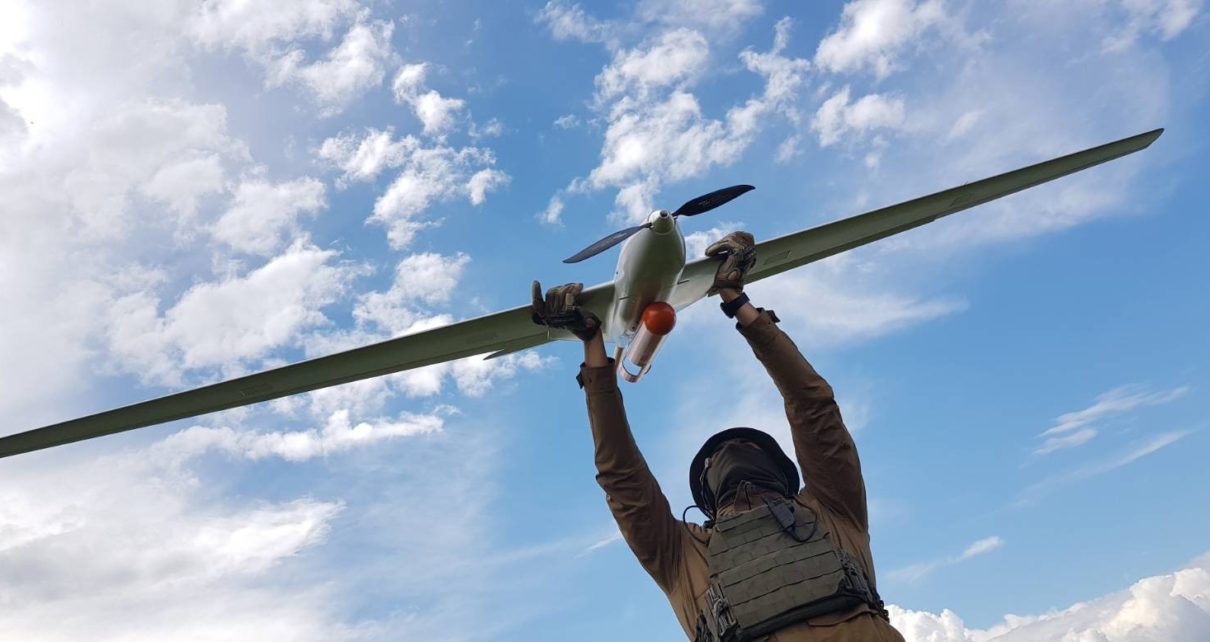
Ukraine’s innovative technological defence sector is crucial in enabling resistance against Russian aggression. Its affordable, AI-powered, and battlefield-tested technology is redefining the future of warfare. Canada and other NATO members should foster partnerships with Ukrainian businesses to both provide economic resources for Ukraine’s war effort and to safeguard the competitiveness of their own defence industries
All Eyes on Us: The Future of the Five Eyes Intelligence Group
With the robustness of the rules-based international order in question, multilateral agreements are more crucial than ever. Intelligence-sharing in particular, such as among the Five Eyes intelligence group, has played a critical role to Canadian and international security cooperation since the end of the Second World War. However, recent criticisms from the White House have called to remove Canada from the intelligence group altogether. What would this mean for the security of Canada and our allies’ ability to counter growing threats around the world?